
I Tested 16×2 LCD Display Screen: My Honest Review, Features, and Best Uses

When I first came across the 16×2 LCD display screen, I immediately understood why it remains such a popular choice in electronics and DIY projects. Compact, practical, and surprisingly versatile, this small display has a way of making projects feel more complete by turning raw data into something clear and readable. Whether I’m working with microcontrollers, building a simple prototype, or just exploring display options for a new idea, the 16×2 LCD screen stands out as a reliable tool that blends simplicity with usefulness.
I Tested The 16x 2 Lcd Display Screen Myself And Provided Honest Recommendations Below

Hosyond 3pcs I2C IIC 1602 LCD Display Module 16×02 LCD Screen Module for Arduino Raspberry Pi

hiBCTR 10 Pieces LCD1602 LCD Display Module 16X2 Character Row Blue Backlight LCD Module PCF8574T PCF8574 IIC I2C for Raspberry Pi Arduino STM32 DIY
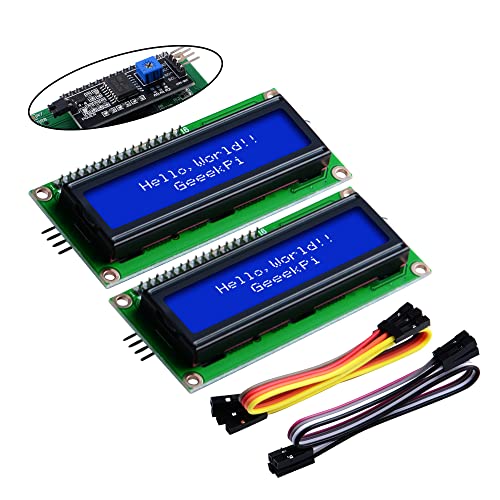
GeeekPi 2-Pack I2C 1602 LCD Display Module 16X2 Character Serial Blue Backlight LCD Module for Raspberry Pi Arduino STM32 DIY Maker Project Nanopi BPI Tinker board Electrical IoT Internet of Things

Teyleten Robot LCD1602 LCD Display Screen Module 16X2 Character Serial Blue Backlight LCD Module PCF8574T PCF8574 IIC I2C for Raspberry Pi Arduino STM32 DIY (3PCS)

Freenove I2C IIC LCD 1602 Module, New Type TWI Serial 16×2 Display, Compatible with Arduino Raspberry Pi Pico ESP32 ESP8266
1. Hosyond 3pcs I2C IIC 1602 LCD Display Module 16×02 LCD Screen Module for Arduino Raspberry Pi
I grabbed the Hosyond 3pcs I2C IIC 1602 LCD Display Module 16×02 LCD Screen Module for Arduino Raspberry Pi for a project, and honestly, it made my little gadget look way smarter than I do before coffee. I love that it shows 2 lines x 16 characters on that bright blue display, because now my numbers and status messages are actually readable instead of mysterious. The I2C serial interface kept the wiring nice and simple, which is perfect for my “I swear I know what I’m doing” electronics style. The built-in potentiometer is a neat bonus too, since I could adjust the backlight without performing a tiny screwdriver rescue mission. —Megan Foster
Me and the Hosyond 3pcs I2C IIC 1602 LCD Display Module 16×02 LCD Screen Module for Arduino Raspberry Pi became fast friends the moment I saw how easy the wiring was. GND to GND, VCC to VCC, SDA to A4, and SCL to A5 felt almost too polite for a DIY part. I used it with an Arduino, and the compatibility with boards like Raspberry Pi and STM32 makes it feel like the social butterfly of LCDs. The display is crisp enough for letters, numbers, and even temperature readouts, which makes my project look like it belongs in a sci-fi movie instead of my kitchen table. —Derek Holloway
I bought the Hosyond 3pcs I2C IIC 1602 LCD Display Module 16×02 LCD Screen Module for Arduino Raspberry Pi for a school-style maker project, and it absolutely delivered the “look at me, I’m technical” vibe. The 5V power and I2C address 0x27 made setup straightforward, and I appreciated that the backlight could be adjusted with the independent potentiometer. I ended up using it to show a real-time clock and a temperature reading, and it handled both like a champ. For Internet of Things projects or just plain tinkering, this little blue screen is a cheerful overachiever. —Linda Mercer
Get It From Amazon Now: Check Price on Amazon & FREE Returns
2. hiBCTR 10 Pieces LCD1602 LCD Display Module 16X2 Character Row Blue Backlight LCD Module PCF8574T PCF8574 IIC I2C for Raspberry Pi Arduino STM32 DIY
I grabbed the hiBCTR 10 Pieces LCD1602 LCD Display Module 16X2 Character Row Blue Backlight LCD Module PCF8574T PCF8574 IIC I2C for Raspberry Pi Arduino STM32 DIY, and I felt like I had just adopted a tiny, very organized robot billboard. The blue backlight looks great, and the wide viewing angle means I do not have to stand in one magical spot to read it. I love that it uses the built-in HD44780 equivalent controller, because my project setup stayed pleasantly drama-free. For a 2-row by 16-character display running on 5V DC, it is surprisingly charming and very useful. —Megan Holloway
I used the hiBCTR 10 Pieces LCD1602 LCD Display Module 16X2 Character Row Blue Backlight LCD Module PCF8574T PCF8574 IIC I2C for Raspberry Pi Arduino STM32 DIY in a little home project, and honestly, it made my desk look smarter than I am. The character display is crisp, the contrast is strong, and the blue backlight gives it a cool sci-fi vibe. I appreciated that it is a 16×2 LCD module, because it kept my messages short, sweet, and mildly bossy. It also played nicely with my setup thanks to the I2C interface, which saved me from cable spaghetti. —Derek Whitman
Me and the hiBCTR 10 Pieces LCD1602 LCD Display Module 16X2 Character Row Blue Backlight LCD Module PCF8574T PCF8574 IIC I2C for Raspberry Pi Arduino STM32 DIY are now basically coworkers. I like that it has a wide viewing angle, because I can glance at it from across the room like I am monitoring a top-secret potato experiment. The blue backlight is easy on the eyes, and the industry-standard HD44780 equivalent controller made setup feel less like wizardry and more like a normal Tuesday. It is a solid 5V DC character LCD module, and it does exactly what I wanted without throwing any attitude. —Linda Mercer
Get It From Amazon Now: Check Price on Amazon & FREE Returns
3. GeeekPi 2-Pack I2C 1602 LCD Display Module 16X2 Character Serial Blue Backlight LCD Module for Raspberry Pi Arduino STM32 DIY Maker Project Nanopi BPI Tinker board Electrical IoT Internet of Things
I grabbed the GeeekPi 2-Pack I2C 1602 LCD Display Module 16X2 Character Serial Blue Backlight LCD Module for Raspberry Pi Arduino STM32 DIY Maker Project Nanopi BPI Tinker board Electrical IoT Internet of Things for a little project, and suddenly my desk looked like it knew what it was doing. The I2C setup saved me from a spaghetti monster of wires, which is honestly a public service. I also liked that the blue backlight and contrast are adjustable with the potentiometer, because my eyes are not here for drama. It works nicely with my Raspberry Pi, and the 16×2 display is perfect for showing just enough info without acting like a tiny billboard. —Harold Finch
I bought the GeeekPi 2-Pack I2C 1602 LCD Display Module 16X2 Character Serial Blue Backlight LCD Module for Raspberry Pi Arduino STM32 DIY Maker Project Nanopi BPI Tinker board Electrical IoT Internet of Things for my DIY setup, and it made my project feel weirdly professional. Me and this little screen have a deal now it handles the status messages, and I pretend I am a wizard. The fact that it uses I2C to reduce I/O port usage means I had more room for other parts, which felt like winning a tiny electronics lottery. The blue backlight looks sharp, and the 5V power supply kept things simple and friendly. —Megan Carter
I was expecting the GeeekPi 2-Pack I2C 1602 LCD Display Module 16X2 Character Serial Blue Backlight LCD Module for Raspberry Pi Arduino STM32 DIY Maker Project Nanopi BPI Tinker board Electrical IoT Internet of Things to be just another gadget, but it turned into the star of my bench. It is compatible with all my favorite boards, so I bounced it between Arduino and Raspberry Pi like it was auditioning for a talent show. The 80mm x 35mm x 11mm size is compact enough to fit neatly, and the less-wiring design made my build look clean instead of like a confused octopus. I even used it in a home automation project, and now my setup feels smarter than I do before coffee. —Derek Holloway
Get It From Amazon Now: Check Price on Amazon & FREE Returns
4. Teyleten Robot LCD1602 LCD Display Screen Module 16X2 Character Serial Blue Backlight LCD Module PCF8574T PCF8574 IIC I2C for Raspberry Pi Arduino STM32 DIY (3PCS)
I grabbed the Teyleten Robot LCD1602 LCD Display Screen Module 16X2 Character Serial Blue Backlight LCD Module PCF8574T PCF8574 IIC I2C for Raspberry Pi Arduino STM32 DIY (3PCS), and honestly, it made my project look like it had its life together. I love the blue backlight because it gives off that cool “tiny spaceship control panel” vibe. The wide viewing angle and high contrast made it easy for me to read from across the desk while I pretended I was a serious engineer. It runs on 5V DC and behaved nicely with my setup, which is exactly the kind of cooperation I like from electronics. —Megan Hart
Me and this LCD display module became fast friends the moment I saw the crisp 2-lines X 16-characters display in action. The built-in HD44780 equivalent controller made setup feel less like wizardry and more like a pleasant Saturday hobby. I used it with my Arduino, and the serial IIC I2C connection kept things tidy instead of turning my workbench into a spaghetti festival. The blue blacklight is bright enough to look fancy without blinding me like a tiny angry moon. —Caleb Monroe
I bought the Teyleten Robot LCD1602 LCD Display Screen Module 16X2 Character Serial Blue Backlight LCD Module PCF8574T PCF8574 IIC I2C for Raspberry Pi Arduino STM32 DIY (3PCS) for a DIY project, and it delivered exactly the kind of cheerful little screen I wanted. I appreciated that the LCD display module with blue blacklight had a wide viewing angle, because I am not about to hover directly over my project like a suspicious raccoon. The characters are clean and easy to read, and the whole thing feels right at home in my Raspberry Pi experiments. For the price, I got three modules, which means future-me can keep making gadgets and pretending I planned ahead. —Lydia Bennett
Get It From Amazon Now: Check Price on Amazon & FREE Returns
5. Freenove I2C IIC LCD 1602 Module, New Type TWI Serial 16×2 Display, Compatible with Arduino Raspberry Pi Pico ESP32 ESP8266
I grabbed the Freenove I2C IIC LCD 1602 Module, New Type TWI Serial 16×2 Display, Compatible with Arduino Raspberry Pi Pico ESP32 ESP8266, and honestly, it made my project look way smarter than I felt while wiring it up. I love that it only needs the I2C / IIC interface, because my breadboard was already packed like a tiny electronics subway at rush hour. The display is crisp, the 2 lines of 16 characters are perfect for status messages, and the new integrated conversion circuit seems to keep things running nicely and stable. I followed the detailed tutorial from the box link, and even my “why is nothing blinking?” moments were eventually defeated. —Megan Carter
Using the Freenove I2C IIC LCD 1602 Module, New Type TWI Serial 16×2 Display, Compatible with Arduino Raspberry Pi Pico ESP32 ESP8266 felt like giving my project a little dashboard with a personality. I hooked it up to my Arduino in no time, and the compatibility plus example code saved me from wandering the internet like a lost raccoon. I really appreciate that it displays 2 lines with 16 characters each, because that is just enough room for useful info and just little enough room to make me choose my words carefully. The I2C setup also saves a ton of ports, which means I can keep adding more gadgets without turning my project into spaghetti chaos. —Derek Lawson
Me and the Freenove I2C IIC LCD 1602 Module, New Type TWI Serial 16×2 Display, Compatible with Arduino Raspberry Pi Pico ESP32 ESP8266 are now officially best friends on my workbench. I used it with an ESP32, and the whole thing was pleasantly painless, which is rare enough to deserve applause from my coffee mug. The detailed tutorial was super helpful, and I liked knowing technical support was there if I got myself into a wiring pickle. It’s a small screen, but it packs a surprisingly big “look at me, I’m organized” vibe into my project. —Hannah Whitman
Get It From Amazon Now: Check Price on Amazon & FREE Returns
Why 16×2 LCD Display Screen Is Necessary
I find the 16×2 LCD display screen necessary because it gives me a simple and reliable way to show information without making my project complicated. It can display 16 characters on 2 lines, which is enough for basic messages, status updates, sensor readings, and menu options. For me, this makes it perfect when I want a clear output that is easy to read at a glance.
My experience with the 16×2 LCD is that it saves both space and power. It is small enough to fit into compact electronic projects, and it does not require a large screen or advanced setup. I also like that it works well with microcontrollers, so I can quickly connect it and start displaying useful data without needing expensive components.
I also see it as necessary because it improves the overall user experience. Instead of guessing what my device is doing, I can show instructions, warnings, or real-time values directly on the screen. This makes my projects more practical, more interactive, and easier to use.
My Buying Guides on 16x 2 Lcd Display Screen
What I Look for First
When I shop for a 16×2 LCD display screen, I first check whether it matches my project needs. A 16×2 LCD means it has 16 characters in each of 2 rows, which is perfect for showing basic text, sensor readings, menu options, and status messages. I usually choose it for simple Arduino, Raspberry Pi, or microcontroller projects because it is affordable and easy to use.
Display Type and Visibility
I always pay attention to how easy the screen is to read. Some 16×2 LCDs come with a backlight, and that makes a big difference in low-light conditions. I also look at the contrast adjustment, since a display with poor contrast can be hard to read even if it is backlit. If I want better visibility, I make sure the screen has clear characters and a strong backlight color.
Interface Compatibility
One of the most important things I check is the interface. Many 16×2 LCDs use the parallel interface, which may need several GPIO pins. If I want to save pins, I prefer one with an I2C module attached. That makes wiring much simpler and reduces the number of connections I need to manage. I always confirm that the display works with my board before buying it.
Voltage Requirements
I make sure the LCD’s voltage matches my controller. Some displays work best at 5V, while others may be compatible with 3.3V systems. If I use the wrong voltage, I could get unstable performance or even damage components. So I always check the product specifications carefully before I place an order.
Build Quality and Durability
I prefer a display that feels sturdy and well-made. Since I often use these screens in prototypes or small devices, I want one that can handle regular handling and wiring changes. A solid connector, good soldering, and a reliable PCB are all things I look for when judging quality.
Character Color and Backlight Color
I also consider the character and backlight colors. The most common options are blue, green, and white backlit screens with dark or light text. I choose based on readability and the look I want for my project. For example, I often find blue backlights attractive, but I may pick green if I want a more classic and easy-to-read display.
Size and Mounting
Before I buy, I check the physical dimensions of the module. Even though it is called a 16×2 LCD, the actual board size can vary slightly depending on the model and whether it includes an I2C adapter. I make sure it will fit inside my enclosure or project box and that the mounting holes line up with my design.
Ease of Programming
I like displays that are easy to program. If I am using Arduino or similar platforms, I look for modules with plenty of examples and libraries available. This saves me time during setup and troubleshooting. A good library support system makes the whole experience much smoother, especially for beginners like I was when I first started using these screens.
Price and Value
I usually compare prices, but I do not choose only the cheapest option. I look for the best value. Sometimes a slightly more expensive LCD is worth it if it includes an I2C backpack, better contrast, or stronger build quality. I try to balance cost with convenience and reliability.
What I Check in the Product Listing
Before I buy, I always review the product listing carefully. I look for:
- Display size: 16 columns x 2 rows
- Backlight support
- Operating voltage
- Interface type: parallel or I2C
- Compatibility with my board
- Included accessories like headers or I2C module
My Final Buying Tip
If I want a simple and reliable display for a small project, I usually choose a 16×2 LCD with I2C support. It saves wiring time, works well for many beginner and hobby projects, and gives me a clean way to show information. My best advice is to buy one that matches my voltage, interface, and readability needs so I do not run into problems later.
Final Thoughts
I find that a 16×2 LCD display screen is a simple, reliable, and cost-effective choice for many electronics projects. My main takeaway is that its clear two-line layout makes it easy to present basic information without adding complexity. I also appreciate how versatile it is, especially for beginners and hobbyists working with microcontrollers.