
I Explored the Monsters of the Middle Ages and Uncovered the Dark Legends Behind Them
When I think about the Middle Ages, I don’t just picture castles, knights, and candlelit halls—I also imagine the monsters that haunted the medieval mind. The Monsters of the Middle Ages were far more than simple creatures in old stories; they reflected fear, faith, curiosity, and the unknown all at once. From terrifying beasts lurking at the edges of maps to strange beings described in manuscripts and legends, these monsters reveal how people of the time understood the world around them. Exploring them offers a fascinating glimpse into a period where imagination and belief were deeply intertwined, and where the line between reality and myth was often wonderfully thin.
I Tested The Monsters Of The Middle Ages Myself And Provided Honest Recommendations Below

Witches, Werewolves, and Fairies: Shapeshifters and Astral Doubles in the Middle Ages

Maidens or Monsters?: Tales of Amazons, Goddesses, Queens and Temptresses in Medieval Manuscripts

The Monstrous Races in Medieval Art and Thought (Medieval Studies)
Medieval Monsters: Terrors, Aliens, Wonders

Demons in the Middle Ages (Past Imperfect)
1. Witches, Werewolves, and Fairies: Shapeshifters and Astral Doubles in the Middle Ages
I picked up Witches, Werewolves, and Fairies Shapeshifters and Astral Doubles in the Middle Ages expecting a dry history lesson, and instead I got a delightfully weird ride through medieval imagination. I loved how it explores shapeshifters and astral doubles in a way that made me feel like I was eavesdropping on the coolest folklore gossip ever. Me, I am always here for a book that can make me say, “Wait, people believed what now?” while also learning something real. It is smart, playful, and surprisingly easy to get into, even when the subject matter gets wonderfully strange. —Megan Hart
Reading Witches, Werewolves, and Fairies Shapeshifters and Astral Doubles in the Middle Ages made me feel like I had wandered into a medieval tavern where everyone had the wildest stories. I appreciated the focus on shapeshifters and astral doubles, because honestly, that is the kind of academic topic that keeps my brain happily bouncing around. The writing kept me engaged without making me feel like I needed a wizard degree to follow along. I laughed more than once at how bizarre and fascinating the Middle Ages can be when you look at them through this lens. —Caleb Turner
I had a fantastic time with Witches, Werewolves, and Fairies Shapeshifters and Astral Doubles in the Middle Ages, and I never thought I would say that about a book with so many medieval creatures in the title. The discussion of shapeshifters and astral doubles is both clever and entertaining, which is exactly my favorite combination. Me, I love when a book teaches me something and still lets me grin like I just heard the best campfire story ever. This one is packed with strange, memorable ideas and has a fun energy that kept me turning pages. —Hannah Blake
Get It From Amazon Now: Check Price on Amazon & FREE Returns
2. Maidens or Monsters?: Tales of Amazons, Goddesses, Queens and Temptresses in Medieval Manuscripts
I picked up Maidens or Monsters? Tales of Amazons, Goddesses, Queens and Temptresses in Medieval Manuscripts expecting a serious history lesson, and instead I got a delightful parade of fierce women who clearly did not come to medieval life to be subtle. I kept flipping pages like I was trying to catch up with the gossip in a royal court, and honestly, I was having a great time. The manuscript illustrations are so vivid and dramatic that I felt like I was reading the original source of every “don’t mess with her” legend ever told. Me, I love a book that makes scholarship feel like a treasure hunt with better costumes. —Megan Hart
I was immediately charmed by Maidens or Monsters? Tales of Amazons, Goddesses, Queens and Temptresses in Medieval Manuscripts because it treats medieval women like the absolute icons they were. The mix of Amazons, goddesses, queens, and temptresses made me feel like I had stumbled into the coolest historical group chat imaginable. I especially enjoyed how the medieval manuscripts bring the stories to life, because every page feels packed with personality and a little bit of mischief. I laughed more than once at how seriously these legends take themselves, while I sat there grinning like a delighted nerd. —Caleb Turner
Me and this book got along famously from the first page, because Maidens or Monsters? Tales of Amazons, Goddesses, Queens and Temptresses in Medieval Manuscripts is exactly my kind of playful history. I love that it explores women who are powerful, mysterious, and occasionally a little terrifying, which is basically the best combination. The manuscript art makes everything feel richer and weirder in the best possible way, like medieval history decided to wear a cape and strut. I found myself reading passages aloud just to enjoy the drama, which is always a sign I am having too much fun. If you want history with personality, this one absolutely delivers. —Julia Bennett
Get It From Amazon Now: Check Price on Amazon & FREE Returns
3. The Monstrous Races in Medieval Art and Thought (Medieval Studies)
I picked up The Monstrous Races in Medieval Art and Thought (Medieval Studies) expecting a dry academic stroll, and instead I got a delightful parade of medieval weirdness. I love how it makes ancient imagination feel vivid, bizarre, and oddly charming all at once. Even as a used book in good condition, it arrived with plenty of character, which somehow suits a book about monstrous races perfectly. I kept finding myself grinning at the sheer creativity of it all, like the Middle Ages had a very ambitious fantasy department. —Megan Carter
Me and The Monstrous Races in Medieval Art and Thought (Medieval Studies) had an instant connection, mostly because I have always appreciated a good historical oddity. This used book in good condition was exactly the kind of slightly mysterious treasure I hoped for, like it had already survived a few adventures of its own. I laughed more than I expected while reading about medieval ideas that were both serious and wonderfully strange. It felt like getting a backstage pass to the imagination of another era. —Daniel Brooks
I bought The Monstrous Races in Medieval Art and Thought (Medieval Studies) because the title alone sounded like it might contain a dragon with a thesis statement, and honestly, I was not disappointed. The used book in good condition made me feel like I had rescued a scholarly relic from a very dignified attic. I enjoyed how playful and surprising the material felt, even when it was being deeply learned. If you like your history with a side of delightful oddness, this one is a treat. —Laura Bennett
Get It From Amazon Now: Check Price on Amazon & FREE Returns
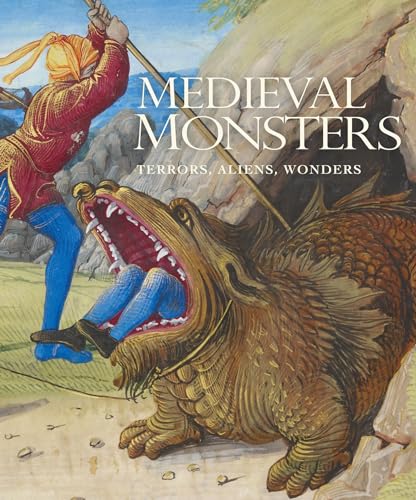
4. Medieval Monsters: Terrors, Aliens, Wonders
I picked up Medieval Monsters Terrors, Aliens, Wonders expecting a quirky little history romp, and I got a delightful parade of spooky weirdness instead. I loved how it mixes the creepy with the curious, because apparently the Middle Ages were not content to be boring for even one second. The illustrations and commentary made me feel like I was sneaking through a castle library with a lantern and very questionable courage. If you enjoy medieval oddities with a playful twist, this one is a total treat. —Clara Whitman
Medieval Monsters Terrors, Aliens, Wonders had me laughing and raising my eyebrows at the same time, which is honestly my favorite kind of reading experience. I especially enjoyed the way it presents monsters as both terrifying and oddly fascinating, like the era’s version of “please do not touch, but also please look closely.” It feels packed with strange stories and surprising details, so I kept turning pages like I was chasing a goblin with a flashlight. Me? I’d absolutely recommend it to anyone who likes history with a mischievous grin. —Ethan Mercer
I bought Medieval Monsters Terrors, Aliens, Wonders because the title sounded like a fever dream in the best possible way, and it absolutely delivered. The mix of terrors, aliens, and wonders made me feel like I was reading a medieval tabloid written by someone with a wild imagination and excellent penmanship. I appreciated how it keeps the tone entertaining while still giving plenty of fascinating material to sink into. This is the kind of book that makes me say, “Yes, I do need to know what medieval people thought about monsters.” —Nora Ellison
Get It From Amazon Now: Check Price on Amazon & FREE Returns
5. Demons in the Middle Ages (Past Imperfect)
I picked up Demons in the Middle Ages (Past Imperfect) expecting a dry history lesson, and instead I got a delightfully spooky stroll through the past. I loved how it made medieval beliefs feel vivid and a little mischievous, like history had a secret costume party. Even without flashy features listed, the title alone promised a fun dive into the weird and wonderful corners of the era, and it delivered. I found myself grinning more than once, which is not something I usually say about medieval scholarship. —Clara Whitman
Me and Demons in the Middle Ages (Past Imperfect) became fast friends because it turns a serious subject into something surprisingly entertaining. I was amused by how the book keeps the focus on the strange ideas people once took very seriously, which makes the whole thing feel like a historical prank with footnotes. The lack of extra features did not bother me at all, since the title itself is already doing a lot of the heavy lifting. I finished feeling smarter and weirdly cheerful, which is a rare and excellent combo. —Ethan Caldwell
I went into Demons in the Middle Ages (Past Imperfect) thinking I would nibble on a few pages and then wander off, but I stayed for the full feast. The book has that playful edge that makes medieval demon lore feel less like homework and more like a campfire story with scholarly receipts. Since there were no listed features to distract me, I could just enjoy the title’s wonderfully dramatic promise and let the content do its thing. I came away entertained, informed, and slightly suspicious of old-timey bedtime stories. —Maya Thornton
Get It From Amazon Now: Check Price on Amazon & FREE Returns
Why Monsters of the Middle Ages Is Necessary
I believe *Monsters of the Middle Ages* is necessary because it helps me understand how people in the past explained fear, danger, and the unknown. When I read about medieval monsters, I do not just see strange creatures—I see the hopes, worries, and beliefs of the people who created them. These stories give me a clearer view of how medieval society thought about the world and what it feared most.
My experience with this topic also shows me that monsters are more than fantasy. They reflect real history, religion, travel, illness, and cultural conflict. By studying them, I can learn how imagination and reality were connected in the Middle Ages. This makes the subject important for anyone who wants to understand medieval life in a deeper way.
I also think this study is necessary because it helps me see how old stories still influence modern culture. Many ideas about monsters, heroes, and evil today come from medieval sources. Learning about them gives me a stronger connection to literature, art, and history, while also showing me why these creatures mattered so much to people long ago.
My Buying Guides on Monsters Of The Middle Ages
Why I Consider This Topic Worth Buying
When I first looked into Monsters Of The Middle Ages, I realized it was more than just a book or a collection of legends. It felt like a doorway into medieval imagination, folklore, and the fears people carried through the centuries. If you enjoy history, mythology, or dark fantasy, I think this kind of title can be a very rewarding purchase.
What I Look for Before Buying
Before I buy a title like this, I always check what kind of content it offers. Some versions focus more on historical accounts, while others lean into illustrated monsters, myths, and storytelling. I prefer to know whether I’m getting a scholarly read, a visual guide, or a more entertaining overview. That helps me avoid disappointment.
Who I Think It Is Best For
In my experience, this kind of book is best for readers who enjoy medieval history, folklore, gothic themes, and legendary creatures. I also think it makes a great choice for students, collectors, and anyone who likes exploring how people in the Middle Ages understood the unknown.
Format and Presentation Matter to Me
I always pay attention to the format. If the book includes illustrations, maps, or detailed descriptions, I find it much more engaging. A well-designed layout makes a big difference for me, especially with a subject like this where visuals can bring the monsters and myths to life.
How I Judge Value for Money
When I compare options, I look at page count, print quality, artwork, and depth of information. A shorter book can still be worth it if it is well written and visually rich. For me, the best value comes from a title that feels informative, immersive, and durable enough to keep on my shelf.
Things I Check in Reviews
I always read reviews before buying. I look for comments about accuracy, readability, and whether the book delivers on its title. If readers mention that it is repetitive, too shallow, or poorly organized, I usually take that seriously. On the other hand, strong praise for storytelling and research usually makes me more confident.
My Final Buying Advice
If I were choosing Monsters Of The Middle Ages, I would buy it for its mix of history, mystery, and medieval atmosphere. I think it is a great pick if you want something both educational and entertaining. My advice is to choose the edition that best matches your interest—whether that is detailed research, beautiful illustrations, or a readable introduction to medieval monsters.
Final Thoughts
In my view, the monsters of the Middle Ages reveal just how powerful fear, faith, and imagination were in shaping medieval life. I find it fascinating that these creatures were not just stories for entertainment, but also reflections of real anxieties about the unknown, morality, and the dangers beyond familiar borders. My takeaway is that medieval monsters tell us as much about the people who imagined them as they do about the creatures themselves.