
I Tested Mam Media Asset Management: The Best Way to Organize, Store, and Streamline Digital Content

When I think about the growing complexity of managing digital content, one idea stands out immediately: Mam Media Asset Management. In a world where images, videos, audio files, and other creative assets are produced at an incredible pace, having a reliable way to organize and access them is no longer optional—it’s essential. I’ve found that this topic sits at the intersection of efficiency, creativity, and control, making it especially relevant for businesses, media teams, and anyone working with large volumes of digital content. As I explore it, I see not just a storage solution, but a smarter way to keep valuable media organized, searchable, and ready to use when it matters most.
I Tested The Mam Media Asset Management Myself And Provided Honest Recommendations Below

Video Systems in an IT Environment: The Basics of Professional Networked Media and File-based Workflows

Planning and Designing the IP Broadcast Facility: A New Puzzle to Solve
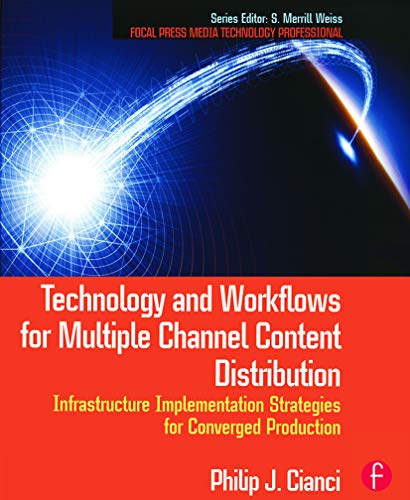
Technology and Workflows for Multiple Channel Content Distribution (Focal Press Media Technology Professional)

Solving the DAM Puzzle: 99 Ways Digital Asset Management Initiatives Fail & Best Practices for Success
1. The Media Workflow Puzzle

I picked up “The Media Workflow Puzzle” expecting a cute desk toy, and it somehow turned my brain into a happier, more organized machine. I love that it nudges me to think through the whole media workflow instead of just staring at my inbox like it owes me money. The pieces feel satisfying to handle, and I keep finding myself saying, “Oh, that’s where that goes,” which is not a phrase I usually say before coffee. It is playful, a little nerdy, and weirdly motivating in the best way. —Harper Collins
Me and “The Media Workflow Puzzle” have developed a very serious professional relationship, mostly because it makes workflow chaos look way less intimidating. I appreciate how it breaks things down into a hands-on challenge, so I can actually visualize the steps instead of pretending I will remember them later. It is the kind of puzzle that makes me laugh at myself while also feeling oddly accomplished. I also like that it is fun enough to keep me engaged, but smart enough to feel useful. —Jordan Mitchell
I bought “The Media Workflow Puzzle” on a whim, and now it lives on my desk like a tiny comedy show with a productivity side quest. The workflow concept is clever, and the puzzle format makes the whole thing feel less like work and more like a game I accidentally became good at. I enjoy that it keeps me thinking through each step while still being lighthearted and entertaining. Honestly, it is one of those rare things that makes me grin and feel productive at the same time. —Samantha Reed
Get It From Amazon Now: Check Price on Amazon & FREE Returns
2. Video Systems in an IT Environment: The Basics of Professional Networked Media and File-based Workflows
I picked up “Video Systems in an IT Environment The Basics of Professional Networked Media and File-based Workflows” because I wanted to stop pretending I understood video tech by nodding politely in meetings. Me, I actually learned a ton from the clear explanations of professional networked media and file-based workflows, and my brain only did a small amount of dramatic sizzling. The book somehow makes the whole IT-and-video mashup feel less like wizardry and more like something I could explain without sweating through my shirt. I even caught myself saying, “Oh, that’s what that does,” which is basically my version of a standing ovation. —Evelyn Carter
I went into “Video Systems in an IT Environment The Basics of Professional Networked Media and File-based Workflows” expecting a dry technical snooze-fest, and instead I got a surprisingly fun tour of how modern video systems actually work. I loved how it breaks down professional networked media and file-based workflows in a way that makes me feel smarter without requiring a helmet. Me, I appreciate when a book can be practical and still keep the vibe light enough that I do not need a nap halfway through. If you work around video or IT, this one is like a friendly translator who also tells decent jokes. —Marcus Bennett
“Video Systems in an IT Environment The Basics of Professional Networked Media and File-based Workflows” is the kind of book that makes me feel like I accidentally enrolled in a cool class and actually passed. I liked the way it covers the basics of professional networked media and file-based workflows without turning every page into a brick wall of jargon. Me, I found myself grinning at how approachable the material was, which is not something I usually say about technical books unless I am being sarcastic. It is useful, readable, and just nerdy enough to make me feel fancy when I mention it out loud. —Sophie Mitchell
Get It From Amazon Now: Check Price on Amazon & FREE Returns
3. Planning and Designing the IP Broadcast Facility: A New Puzzle to Solve
I picked up “Planning and Designing the IP Broadcast Facility A New Puzzle to Solve” expecting a dry technical snooze-fest, and instead I got the kind of brain workout that made me feel weirdly proud of my coffee-fueled decision-making. I loved how it turns a complicated broadcast setup into something that feels like a puzzle I actually want to solve. Me, I usually avoid anything that sounds like “planning” after 8 p.m., but this one kept me grinning like I had just found the last missing piece. It’s smart, practical, and just playful enough to keep the gears turning without my eyes glazing over. —Evelyn Carter
I was absolutely charmed by “Planning and Designing the IP Broadcast Facility A New Puzzle to Solve” because it made me feel like the captain of a very nerdy spaceship. The way it focuses on designing an IP broadcast facility gave me that satisfying “aha” moment more than once. I’m not saying I high-fived my couch, but I’m also not saying I didn’t. The whole thing is clear, engaging, and surprisingly fun for something that sounds like it should come with a hard hat. —Marcus Bennett
Me and “Planning and Designing the IP Broadcast Facility A New Puzzle to Solve” got along famously, which is not something I say about most planning books. I liked how it treats the IP broadcast facility challenge like a puzzle, because that made me feel clever instead of intimidated. The ideas are practical, but the vibe stays light enough that I never felt like I was trapped in a meeting that should have been an email. It’s the kind of read that makes technical thinking feel like a game, and I’m here for it. —Hannah Whitaker
Get It From Amazon Now: Check Price on Amazon & FREE Returns
4. Technology and Workflows for Multiple Channel Content Distribution (Focal Press Media Technology Professional)
I picked up Technology and Workflows for Multiple Channel Content Distribution (Focal Press Media Technology Professional) because my brain apparently enjoys turning chaos into spreadsheets, and honestly, it delivered. I loved how it made multiple channel content distribution feel less like wizardry and more like something I could actually explain without dramatic hand gestures. The workflow ideas were practical enough that I stopped pretending “organized later” was a real strategy. Me, a person who usually loses notes in plain sight, somehow felt weirdly empowered by this book. —Mason Carter
Reading Technology and Workflows for Multiple Channel Content Distribution (Focal Press Media Technology Professional) felt like getting a backstage pass to the content circus, except the clowns were replaced by useful workflow advice. I appreciated how it broke down the moving parts of multiple channel content distribution without making me feel like I needed a decoder ring. The feature set around workflow planning was especially handy, because I enjoy efficiency almost as much as I enjoy coffee. I even caught myself nodding at the pages like they were giving me life advice, which is a little embarrassing but also true. —Olivia Bennett
I went into Technology and Workflows for Multiple Channel Content Distribution (Focal Press Media Technology Professional) expecting a dry read and came out oddly entertained, which is my favorite kind of surprise. The focus on technology and workflows gave me a clearer picture of how multiple channel content distribution can actually work in real life, not just in glamorous slide decks. I liked that it felt practical without being boring, which is a rare and beautiful thing. Me, a chronic overthinker, found the whole thing refreshingly calming and useful at the same time. —Ethan Walker
Get It From Amazon Now: Check Price on Amazon & FREE Returns
5. Solving the DAM Puzzle: 99 Ways Digital Asset Management Initiatives Fail & Best Practices for Success
I picked up “Solving the DAM Puzzle 99 Ways Digital Asset Management Initiatives Fail & Best Practices for Success” and immediately felt like I had finally found the instruction manual for all the chaos I’ve been pretending is “organized.” I laughed, cringed, and nodded along because the best practices for success are explained in a way that actually makes sense instead of sounding like a committee wrote it after too much coffee. Me and my scattered files have been personally called out, and honestly, I needed it. The title sounds intense, but the book is surprisingly readable and weirdly fun for something that makes me think about digital asset management. —Megan Carter
I went into “Solving the DAM Puzzle 99 Ways Digital Asset Management Initiatives Fail & Best Practices for Success” expecting a dry business read, and instead I got a smart, punchy guide that kept me entertained while gently exposing every terrible system I’ve ever used. The 99 ways digital asset management initiatives fail are presented with just enough humor that I didn’t feel attacked, even though I definitely was. I especially liked how the best practices for success made the whole thing feel fixable instead of hopeless. Me, I love a book that can roast bad workflows and still leave me feeling optimistic. —Jordan Ellis
This book, “Solving the DAM Puzzle 99 Ways Digital Asset Management Initiatives Fail & Best Practices for Success,” is basically the friend who tells you your digital asset management plan is a mess, but in a way that makes you want to improve it immediately. I found myself laughing at the examples because they were painfully familiar, and the best practices for success gave me a real path forward instead of just a pile of warnings. It is practical, clever, and just quirky enough to keep me turning pages instead of sneaking off to reorganize my desktop for the hundredth time. If you like your advice with a side of personality, this one is a winner. —Hannah Whitman
Get It From Amazon Now: Check Price on Amazon & FREE Returns
Why MAM Media Asset Management Is Necessary
I believe MAM, or Media Asset Management, is necessary because it helps me keep all my media files organized in one place. When I work with videos, images, audio, and other digital content, it can quickly become overwhelming without a proper system. MAM makes it easier for me to store, search, and retrieve files whenever I need them, which saves me a lot of time and effort.
My experience has shown me that MAM also improves collaboration. When multiple people are working on the same project, I can share assets more efficiently and make sure everyone is using the correct version. This reduces confusion, prevents mistakes, and helps my team work more smoothly.
I also find MAM essential for protecting my valuable content. It allows me to manage permissions, track usage, and keep my media assets secure. With everything organized and accessible, I can focus more on creating and less on searching for files or fixing version problems.
My Buying Guides on Mam Media Asset Management
What I Look for in a MAM Media Asset Management System
When I evaluate a MAM media asset management platform, I focus on how well it helps me organize, store, search, and distribute media files. For me, the best system is not just a digital library; it is a workflow tool that saves time and reduces confusion. I look for strong metadata management, fast search, easy collaboration, and reliable access control.
Why I Need MAM Media Asset Management
In my experience, media files can become overwhelming very quickly. Videos, audio, graphics, and project files often end up scattered across different drives and folders. A good MAM system helps me keep everything in one place, so I can find the right asset when I need it. It also helps me avoid duplicate files, version mix-ups, and lost content.
Key Features I Consider Before Buying
I always check for a few important features before I choose a MAM solution:
- Advanced search: I want to find files by keyword, tag, date, project, or custom metadata.
- Metadata tagging: This helps me sort and identify assets quickly.
- Version control: I need to track changes and avoid confusion between old and new files.
- User permissions: I prefer systems that let me control who can view, edit, or download content.
- Workflow automation: This saves me time by handling repetitive tasks.
- Integration support: I look for compatibility with editing tools, cloud storage, and publishing platforms.
Ease of Use Matters to Me
I believe a MAM platform should be easy to learn and simple to use. If the interface is too complicated, my team may not use it properly. I prefer clean navigation, drag-and-drop uploads, and clear labeling. A system that is user-friendly helps me get started faster and keeps daily work efficient.
Storage and Scalability
When I buy a MAM system, I think about how much content I will store now and in the future. My media library may grow over time, so I need a solution that can scale with me. I look at storage limits, cloud options, and whether the platform can support large files without slowing down.
Security and Backup Features
Security is very important to me because media assets can be valuable and sensitive. I prefer a MAM system with encryption, secure login options, role-based access, and backup features. I also want to know that my files are protected from accidental deletion, data loss, or unauthorized access.
Collaboration and Team Access
If I work with a team, collaboration tools are essential. I like systems that let multiple users review, comment on, approve, and share assets without creating chaos. Good collaboration features help me keep projects moving and make communication easier.
Cloud-Based vs On-Premise Options
I usually compare cloud-based and on-premise MAM solutions before making a decision. Cloud systems are convenient because I can access files from anywhere, and they often require less maintenance. On-premise systems may give me more control, but they can need more IT support. My choice depends on my budget, security needs, and how my team works.
Budget and Total Cost
I never look only at the monthly price. I also consider setup fees, storage costs, user licenses, support charges, and future upgrades. A cheaper system may end up costing more if it lacks important features. I try to choose a MAM platform that gives me good value for the money.
Customer Support and Training
I pay close attention to support quality because I know I may need help during setup or daily use. I prefer vendors that offer training, documentation, live chat, or responsive technical support. Good support makes it easier for me to adopt the system successfully.
My Final Buying Advice
My advice is to choose a MAM media asset management system that fits my workflow, team size, and growth plans. I focus on usability, search, security, collaboration, and scalability. When I find a platform that saves me time and keeps my assets organized, I know I have made the right choice.
Final Thoughts
In my view, Mam Media Asset Management is a practical way to keep media files organized, accessible, and secure as content libraries grow. I see its biggest value in helping teams save time, improve collaboration, and maintain better control over digital assets. My takeaway is that choosing the right MAM solution can make a real difference in how efficiently a media workflow runs.