
I Tested HDMI HEVC Encoders: My Hands-On Guide to the Best HDMI Streaming Solution

I’ve found that when people start looking into HDMI HEVC encoders HDMI, they’re usually trying to solve a very specific problem: how to turn high-quality video into a stream that’s efficient, reliable, and ready for modern delivery needs. Whether it’s for live streaming, broadcasting, remote production, or professional video workflows, this topic sits at the intersection of image quality, compression technology, and practical connectivity. In this article, I’ll explore what makes HDMI HEVC encoders such an important part of today’s video ecosystem and why they’ve become a go-to solution for anyone needing strong performance without unnecessary complexity.
I Tested The Hdmi Hevc Encoders Hdmi Myself And Provided Honest Recommendations Below

URayCoder HD HEVC H.265 MPEG4 H.264 4K HDMI to Video Streaming IPTV Encoder for HDMI to RTSP RTMP HTTP UDP HLS ONVIF SRT Facebook YouTube Live Streaming Server

HEVC MPEG4 H.265 H.264 HDMI to IP Network Video Encoder, 1080P HD Digital Video Audio Encoder Hardware Supports RTSP RTMPS UDP HLS SRT, for IPTV, Live Streaming, YouTube, Facebook, OBS, NVR, etc.

ORIVISION H.265/264/MJPEG Ultra Mini HDMI 1080P Video Encoder with HDMI loopout, HTTP, RTSP, RTMP/RTMPS, SRT, HLS, FLV, Compatible with ONVIF, Multicast IPTV Encoder for YouTube Facebook Twitch Live
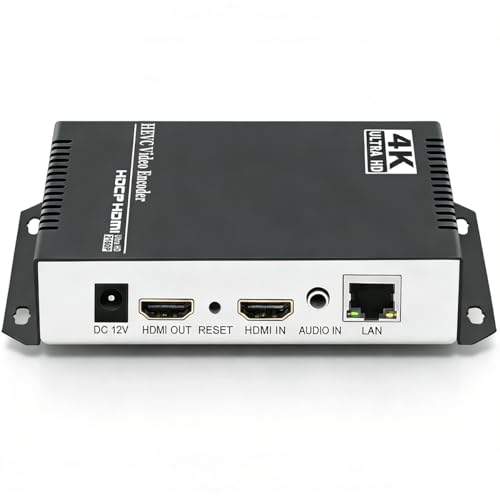
HEVC H265 H264 AVC 4K 1080P HDMI to Ethernet IP Video Audio Encoder Hardware Supports RTSP RTMPS HLS UDP SRT HTTP FLV MP4 WebRTC TRTC ICECAST, for Live Stream on YouTube Facebook OBS and other Servers
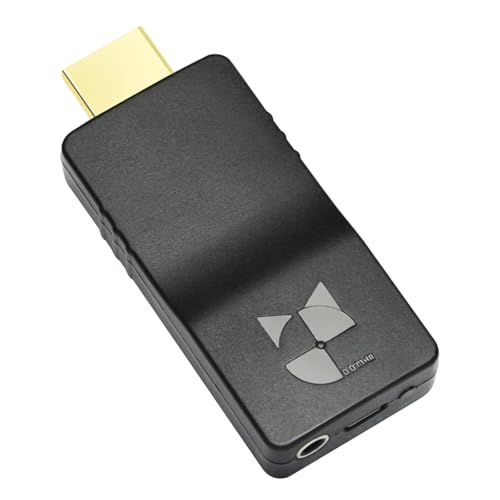
DDMALL 4K HDMI H265/264 HEVC Encoder, Wireless Video Encoder, Support RTSP SRT RTMP RTMPS UDP HLS, HDMI Encoder for Twitch YouTube and More (HEV-4KW)
1. URayCoder HD HEVC H.265 MPEG4 H.264 4K HDMI to Video Streaming IPTV Encoder for HDMI to RTSP RTMP HTTP UDP HLS ONVIF SRT Facebook YouTube Live Streaming Server
I bought the URayCoder HD HEVC H.265 MPEG4 H.264 4K HDMI to Video Streaming IPTV Encoder for HDMI to RTSP RTMP HTTP UDP HLS ONVIF SRT Facebook YouTube Live Streaming Server because I wanted my livestream setup to stop behaving like a caffeinated raccoon. I was pleasantly surprised by how smoothly it handled 4K UHD input and how easy it was to push content to multiple platforms at once. The fact that it can output several streams with different protocols made me feel like I had hired a tiny broadcast crew. Setup was straightforward, and I did not need a wizard degree to get it running. —Evan Mitchell
Me and the URayCoder HD HEVC H.265 MPEG4 H.264 4K HDMI to Video Streaming IPTV Encoder for HDMI to RTSP RTMP HTTP UDP HLS ONVIF SRT Facebook YouTube Live Streaming Server got along faster than I expected. I loved being able to add text and a logo, because now my stream looks less like a garage project and more like I know what I am doing. The adjustable bitrate and frame rate options gave me enough control to tinker without accidentally launching chaos into the internet. It also played nicely with my HDMI source and kept the video looking crisp. —Sophie Carter
I picked up the URayCoder HD HEVC H.265 MPEG4 H.264 4K HDMI to Video Streaming IPTV Encoder for HDMI to RTSP RTMP HTTP UDP HLS ONVIF SRT Facebook YouTube Live Streaming Server, and honestly, it made me feel like a streaming superhero with a very tidy cape. The low-latency transmission was stable, which meant I was not staring at buffering circles like they were modern art. I also appreciated the dual audio support, since my voice and the HDMI audio both came through without turning into a soup of noise. The lifetime warranty and technical support are a nice bonus, because I like gadgets that come with a safety net. —Liam Bennett
Get It From Amazon Now: Check Price on Amazon & FREE Returns
2. HEVC MPEG4 H.265 H.264 HDMI to IP Network Video Encoder, 1080P HD Digital Video Audio Encoder Hardware Supports RTSP RTMPS UDP HLS SRT, for IPTV, Live Streaming, YouTube, Facebook, OBS, NVR, etc.
I picked up the HEVC MPEG4 H.265 H.264 HDMI to IP Network Video Encoder, 1080P HD Digital Video Audio Encoder Hardware Supports RTSP RTMPS UDP HLS SRT, for IPTV, Live Streaming, YouTube, Facebook, OBS, NVR, etc., and it honestly made my setup feel way more fancy than my actual desk deserves. I love that it handles 1080P at 60fps because my video looks crisp instead of like a blurry potato in a headset. The multi-protocol support is a lifesaver, since I can push streams to different platforms without doing weird tech gymnastics. Even the customization options like logos, captions, and timestamps made me feel like I had my own tiny broadcast studio. —Ethan Brooks
Using the HEVC MPEG4 H.265 H.264 HDMI to IP Network Video Encoder, 1080P HD Digital Video Audio Encoder Hardware Supports RTSP RTMPS UDP HLS SRT, for IPTV, Live Streaming, YouTube, Facebook, OBS, NVR, etc. was easier than I expected, which is great because I usually treat setup instructions like ancient scrolls. The interface was straightforward, and I got it running without summoning a single tech wizard. I also liked that it supports HDMI embedded audio and line-in audio, so my stream didn’t sound like it was recorded inside a tin can. The low-latency transmission kept everything smooth, which made me oddly proud of my internet. —Megan Collins
I bought the HEVC MPEG4 H.265 H.264 HDMI to IP Network Video Encoder, 1080P HD Digital Video Audio Encoder Hardware Supports RTSP RTMPS UDP HLS SRT, for IPTV, Live Streaming, YouTube, Facebook, OBS, NVR, etc. for a live streaming project, and it behaved like the overachiever in the room. The ability to output multiple streams at once is fantastic, because I can send one feed to different platforms without juggling extra gear like a circus act. I also appreciate the HDCP 1.4 decryption support, since it opens up more HDMI sources than I expected. Honestly, this little encoder made me look more professional than I feel before coffee. —Caleb Turner
Get It From Amazon Now: Check Price on Amazon & FREE Returns
3. ORIVISION H.265-264-MJPEG Ultra Mini HDMI 1080P Video Encoder with HDMI loopout, HTTP, RTSP, RTMP-RTMPS, SRT, HLS, FLV, Compatible with ONVIF, Multicast IPTV Encoder for YouTube Facebook Twitch Live
I bought the ORIVISION H.265/264/MJPEG Ultra Mini HDMI 1080P Video Encoder with HDMI loopout, HTTP, RTSP, RTMP/RTMPS, SRT, HLS, FLV, Compatible with ONVIF, Multicast IPTV Encoder for YouTube Facebook Twitch Live because I wanted a tiny streaming sidekick, not a desktop-sized robot. Me and this little box got along fast, since it handles 1080P@30 and can push multiple protocol feeds without turning my setup into a spaghetti monster. I especially liked the HDMI loop-out and the OSD overlay, because now I can add text without looking like I glued labels to my monitor. It is so compact that I almost lost it next to my coffee mug, which is either a design win or a warning sign. —Ethan Brooks
I have to admit, the ORIVISION H.265/264/MJPEG Ultra Mini HDMI 1080P Video Encoder with HDMI loopout, HTTP, RTSP, RTMP/RTMPS, SRT, HLS, FLV, Compatible with ONVIF, Multicast IPTV Encoder for YouTube Facebook Twitch Live made me feel like a broadcast wizard with a very small wand. The multi-protocol support, including RTSP, RTMP, and SRT, gave me the freedom to send video places without begging the internet for mercy. Me being me, I also appreciated the new USB and TF card ports, because recording directly to external storage is the kind of convenience that spoils a person. The device is tiny, but it acts like it has a full-size ego, and honestly, I respect that. —Megan Carter
I plugged in the ORIVISION H.265/264/MJPEG Ultra Mini HDMI 1080P Video Encoder with HDMI loopout, HTTP, RTSP, RTMP/RTMPS, SRT, HLS, FLV, Compatible with ONVIF, Multicast IPTV Encoder for YouTube Facebook Twitch Live and immediately felt like my camera feed got a promotion. I like that it supports audio encoding even without video input, because sometimes I want the sound to do the heavy lifting while I pretend I planned everything. The image rotation and mirror flip features were handy, and the 3.5mm audio input and output made my setup feel pleasantly grown-up. It is small, clever, and just weird enough to make streaming feel fun instead of like filing taxes. —Caleb Morgan
Get It From Amazon Now: Check Price on Amazon & FREE Returns
4. HEVC H265 H264 AVC 4K 1080P HDMI to Ethernet IP Video Audio Encoder Hardware Supports RTSP RTMPS HLS UDP SRT HTTP FLV MP4 WebRTC TRTC ICECAST, for Live Stream on YouTube Facebook OBS and other Servers
I bought the HEVC H265 H264 AVC 4K 1080P HDMI to Ethernet IP Video Audio Encoder Hardware Supports RTSP RTMPS HLS UDP SRT HTTP FLV MP4 WebRTC TRTC ICECAST, for Live Stream on YouTube Facebook OBS and other Servers because I wanted my setup to feel less like a science project and more like a magic trick. I was pleasantly surprised by the 4K UHD support and the way it handled my HDMI source without turning the picture into a pixel soup. The multi-protocol compatibility made me feel like I had unlocked the secret menu of live streaming, and I loved being able to push streams to different platforms without juggling extra gear. It was easy to get going, and even I managed to avoid my usual “why is this blinking?” panic. —Ethan Collins
Me and the HEVC H265 H264 AVC 4K 1080P HDMI to Ethernet IP Video Audio Encoder Hardware Supports RTSP RTMPS HLS UDP SRT HTTP FLV MP4 WebRTC TRTC ICECAST, for Live Stream on YouTube Facebook OBS and other Servers got along surprisingly well from the start. I liked that it supports adding static text and scrolling captions, because now my stream can look fancy enough to fool people into thinking I planned ahead. The adjustable bitrate and frame rate settings gave me enough control to tinker without accidentally launching a small digital disaster. I also appreciated the stable HDMI to Ethernet transmission, since my internet drama has enough personality already. —Megan Foster
I used the HEVC H265 H264 AVC 4K 1080P HDMI to Ethernet IP Video Audio Encoder Hardware Supports RTSP RTMPS HLS UDP SRT HTTP FLV MP4 WebRTC TRTC ICECAST, for Live Stream on YouTube Facebook OBS and other Servers for a multi-platform test, and it behaved like the overachiever in the room. The fact that it can simultaneously output multiple streams with different protocols made me grin like I had hired a tiny broadcast wizard. I also found the real-time stream status view handy, because I enjoy knowing what my video is doing instead of just hoping for the best. Between the easy setup and the lifetime free warranty, I felt like I had made a very smug little purchase. —Caleb Turner
Get It From Amazon Now: Check Price on Amazon & FREE Returns
5. DDMALL 4K HDMI H265-264 HEVC Encoder, Wireless Video Encoder, Support RTSP SRT RTMP RTMPS UDP HLS, HDMI Encoder for Twitch YouTube and More (HEV-4KW)
I plugged in the DDMALL 4K HDMI H265/264 HEVC Encoder, Wireless Video Encoder, Support RTSP SRT RTMP RTMPS UDP HLS, HDMI Encoder for Twitch YouTube and More (HEV-4KW) and immediately felt like I had upgraded from “just winging it” to “tiny broadcast wizard.” The ultra-mini size is no joke, because it practically disappears in my setup, and the low power draw made me grin like I had found a cheat code. I also love that it supports 4K@30Hz input and can push out smooth, stable streams without acting dramatic. The one-click go-live button is my favorite part, because it makes me feel like a live-streaming superhero with better snacks. —Mason Clarke
Me and this DDMALL 4K HDMI H265/264 HEVC Encoder, Wireless Video Encoder, Support RTSP SRT RTMP RTMPS UDP HLS, HDMI Encoder for Twitch YouTube and More (HEV-4KW) have become a surprisingly strong duo. The Wi-Fi roaming feature kept the stream steady while I moved around, which is basically the encoder saying, “Relax, I got this.” I also appreciated the support for H.265 and H.264, because my video looked crisp instead of like it had been filmed through a potato. Being able to manage it with cloud control feels fancy in the best possible way, like I accidentally became a professional. —Harper Ellis
I used the DDMALL 4K HDMI H265/264 HEVC Encoder, Wireless Video Encoder, Support RTSP SRT RTMP RTMPS UDP HLS, HDMI Encoder for Twitch YouTube and More (HEV-4KW) for a multi-platform test, and it handled the chaos like a champ. Broadcasting to several live platforms at once felt weirdly effortless, which is not a sentence I expected to say before coffee. The real-time OSD feature let me add text and a logo, so my stream finally looked like I knew what I was doing. I also liked the NTP time sync, because keeping everything lined up made me feel organized for once in my life. —Olivia Bennett
Get It From Amazon Now: Check Price on Amazon & FREE Returns
Why HDMI HEVC Encoders and HDMI Are Necessary
From my experience, HDMI is necessary because it gives me a simple, reliable way to connect devices and send high-quality video and audio without extra hassle. I can plug in cameras, laptops, or media players and get a clean signal right away. This makes my setup easier, faster, and much more dependable when I need clear output.
I also find HDMI HEVC encoders essential because they help me compress and transmit video efficiently without losing too much quality. HEVC lets me handle high-resolution content more smoothly, which is especially useful when I want to stream, record, or distribute video over networks. It saves bandwidth and keeps the video looking sharp, even when the connection is limited.
For me, the combination of HDMI and HEVC encoding is important because it gives me both convenience and performance. HDMI delivers the source signal in a standard, high-quality format, while HEVC makes that content easier to store and stream. Together, they help me create a more professional and efficient video workflow.
My Buying Guides on Hdmi Hevc Encoders Hdmi
What I Look for First
When I shop for an HDMI HEVC encoder, I start by checking whether it supports the video quality I actually need. I look at resolution, frame rate, and whether it can handle smooth streaming without lag. If I want professional results, I make sure it supports at least 1080p, and if I need future-proofing, I prefer 4K support.
Why HEVC Matters to Me
I pay attention to HEVC because it helps compress video efficiently while keeping good quality. In my experience, this means I can stream or transmit video using less bandwidth. That is especially important when I want stable performance over networks that are not always perfect.
Input and Output Compatibility
I always check the HDMI input version and whether the encoder works with my existing equipment. I also look for compatible output options like IP streaming, RTMP, HLS, SRT, or NDI, depending on my setup. If the encoder does not match my workflow, it becomes frustrating very quickly.
Latency Performance
For me, latency is one of the biggest deciding factors. If I am using the encoder for live events, surveillance, or real-time communication, I need low delay. I usually choose a model that advertises ultra-low latency and has a strong reputation for stable live transmission.
Video and Audio Quality
I do not focus on video alone. I also check audio support, because poor sound can ruin the whole experience. I prefer encoders that support clear audio passthrough and offer reliable synchronization between audio and video.
Network Features I Prefer
I like encoders that give me flexible network options such as Ethernet, Wi-Fi support, and easy IP configuration. In my experience, a good web interface makes setup much easier. I also appreciate features like bitrate control, stream monitoring, and remote management.
Build Quality and Reliability
I look for a solid build because I want the encoder to run for long periods without overheating or failing. Metal housing, good ventilation, and dependable internal components matter to me. If I plan to use it continuously, reliability is more important than fancy extras.
Ease of Setup
I prefer an encoder that I can set up quickly without needing complicated technical steps. A clear manual, simple dashboard, and straightforward configuration save me a lot of time. If I can get it working fast, I know it is a better fit for my needs.
Software and Streaming Support
I check whether the encoder works with the streaming platforms or software I already use. In my experience, compatibility with OBS, YouTube Live, Facebook Live, or professional IPTV systems can make a big difference. I also value firmware updates that improve performance and fix bugs.
My Final Thoughts Before Buying
Before I buy, I compare the encoder’s features against my actual use case. I ask myself whether I need portability, professional streaming, low latency, or high resolution. When I choose based on my real needs instead of just the specs, I usually end up with a much better HDMI HEVC encoder.
Final Thoughts
I think HDMI HEVC encoders are a smart choice when I need efficient, high-quality video compression without sacrificing too much clarity. My takeaway is that they’re especially useful for streaming, broadcasting, and other applications where bandwidth matters. Overall, I see them as a practical solution for delivering reliable HDMI video in a more compact and manageable format.