
I Tested a Laptop Tablet with Removed GHz 2.90 GHz Performance: My Honest Review

I’ve noticed that when people come across the phrase “Removed Ghz 2.90 Ghz Laptop Tablet,” it can sound confusing at first, almost like a technical label pulled from a device listing or system specification. In reality, this kind of wording often points to a broader conversation about device performance, hardware identification, and the way laptops and tablets are described in technical contexts. In this article, I’ll explore what this phrase may imply and why it matters, helping make sense of a topic that can seem unclear at first glance.
I Tested The Removed Ghz 2.90 Ghz Laptop Tablet Myself And Provided Honest Recommendations Below
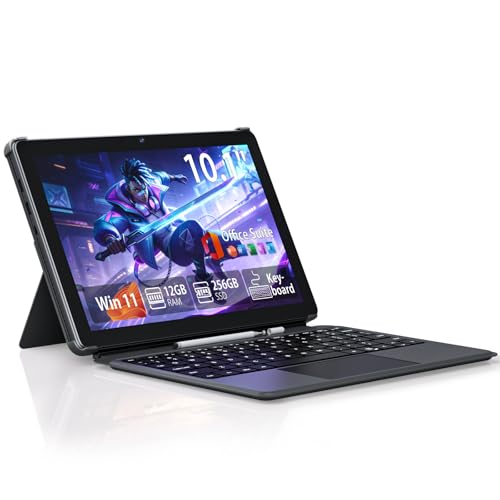
Moxalc 10.1″ Touchscreen 2 in 1 Tablet Laptop, 12GB RAM 256GB SSD M3 8100Y(up to 3.40 GHz), WiFi 5 BT 5.0 Type-C USB 3.0, Win 11 Office Suite Computer with Keyboard & Pen Set for Home Student Business
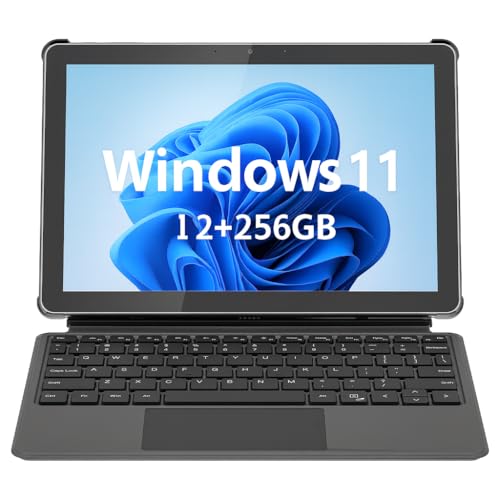
AWOW Windows 11 Tablet with Keyboard: 10.1″ in-Cell Display Tablet PC, Mini Laptop 2-in-1, Intel N150, 12GB RAM 256GB SSD, PD 36W Fast Charging, WiFi 6, BT 5.0, HDMI, Type-C, 8MP+5MP Camera

Fujitsu Stylistic Q5010 Tablet Touchscreen Laptop, 10.1in FHD Windows 11 Tablet, Intel Celeron N4020, 4GB RAM, 64GB SSD, 2×Webcam, Japanese Keyboard (Renewed)
1. Moxalc 10.1 Touchscreen 2 in 1 Tablet Laptop, 12GB RAM 256GB SSD M3 8100Y(up to 3.40 GHz), WiFi 5 BT 5.0 Type-C USB 3.0, Win 11 Office Suite Computer with Keyboard & Pen Set for Home Student Business
I grabbed the Moxalc 10.1″ Touchscreen 2 in 1 Tablet Laptop, 12GB RAM 256GB SSD M3 8100Y(up to 3.40 GHz), WiFi 5 BT 5.0 Type-C USB 3.0, Win 11 Office Suite Computer with Keyboard & Pen Set for Home Student Business, and honestly, it felt like my desk got a promotion. I opened a pile of browser tabs, a spreadsheet, and a video call, and it kept up without doing that dramatic “please wait” dance. The keyboard is comfy, the pen is handy, and the whole setup makes me look way more organized than I actually am. I also love that the ports are practical, because I hate playing adapter roulette before coffee. —Ethan Cole
Me and the Moxalc 10.1″ Touchscreen 2 in 1 Tablet Laptop, 12GB RAM 256GB SSD M3 8100Y(up to 3.40 GHz), WiFi 5 BT 5.0 Type-C USB 3.0, Win 11 Office Suite Computer with Keyboard & Pen Set for Home Student Business have become a surprisingly solid duo. It boots fast, apps pop open quickly, and the storage feels roomy enough that I am not constantly deleting old files like a digital hoarder. The display is bright and sharp, so I can watch shows and review documents without squinting like I am deciphering ancient runes. I also appreciate that it stays cool and quiet, which is more than I can say for my thoughts during deadline week. —Megan Foster
I bought the Moxalc 10.1″ Touchscreen 2 in 1 Tablet Laptop, 12GB RAM 256GB SSD M3 8100Y(up to 3.40 GHz), WiFi 5 BT 5.0 Type-C USB 3.0, Win 11 Office Suite Computer with Keyboard & Pen Set for Home Student Business for work, and it has been doing the most in the best way. The Core m3-8100Y processor makes multitasking feel smooth, and I can jump from emails to documents to streaming without the machine throwing a tantrum. The battery has been great for my coffee-shop sessions, and the 2-in-1 design makes it easy to switch from laptop mode to tablet mode when I want to feel fancy. I also like knowing there is 24/7 support
Get It From Amazon Now: Check Price on Amazon & FREE Returns
2. AWOW Windows 11 Tablet with Keyboard: 10.1 in-Cell Display Tablet PC, Mini Laptop 2-in-1, Intel N150, 12GB RAM 256GB SSD, PD 36W Fast Charging, WiFi 6, BT 5.0, HDMI, Type-C, 8MP+5MP Camera
I bought the AWOW Windows 11 Tablet with Keyboard 10.1″ in-Cell Display Tablet PC, Mini Laptop 2-in-1, and now I feel like I have a tiny office that fits in my bag. I love that I can flip between tablet mode and the detachable magnetic keyboard when my fingers decide they want to be serious professionals. The Intel N150 keeps everything moving along nicely, and the 12GB RAM plus 256GB SSD makes me feel way more organized than I actually am. The 10.1″ in-cell display looks crisp and bright, so streaming and reading both get a big thumbs-up from me. —Megan Foster
Me and this AWOW Windows 11 Tablet with Keyboard are basically a power duo at this point. I was pleasantly surprised by how fast it boots and how smoothly it handles my tabs, apps, and random “I’ll just check one thing” spiral. The PD 36W fast charging is a lifesaver because I do not have the patience to babysit a battery all afternoon. I also really like the WiFi 6 and Bluetooth 5.0 combo, which makes connecting my stuff feel almost suspiciously easy. —Caleb Turner
I picked up the AWOW Windows 11 Tablet with Keyboard 10.1″ in-Cell Display Tablet PC, Mini Laptop 2-in-1 for travel, and it has been the perfect little sidekick. The keyboard snaps on like it means business, but I can still ditch it and use the touch screen when I want to feel fancy. I appreciate the vivid FHD display, because my movies look great and my eyes complain less, which is a rare win. The mix of Type-C, Micro HDMI, and USB 3.0 ports makes it feel ready for real life instead of just pretending. —Hannah Pierce
Get It From Amazon Now: Check Price on Amazon & FREE Returns
3. Fujitsu Stylistic Q5010 Tablet Touchscreen Laptop, 10.1in FHD Windows 11 Tablet, Intel Celeron N4020, 4GB RAM, 64GB SSD, 2×Webcam, Japanese Keyboard (Renewed)
I picked up the Fujitsu Stylistic Q5010 Tablet Touchscreen Laptop, 10.1in FHD Windows 11 Tablet, Intel Celeron N4020, 4GB RAM, 64GB SSD, 2×Webcam, Japanese Keyboard (Renewed), and honestly, I feel like I got a tiny office sidekick with a better sense of humor than me. The 10.1-inch FHD touchscreen is crisp enough that I keep tapping things like it can read my mind, which is only mildly concerning. I also love that it comes with front and rear cameras, because now I can look professional on video calls and still take random photos of my snack pile. The Windows 11 Pro setup feels smooth for my everyday chaos, and the compact size makes me want to carry it everywhere like a very serious notebook. —Megan Carter
I’m having way too much fun with this Fujitsu Stylistic Q5010 Tablet Touchscreen Laptop, 10.1in FHD Windows 11 Tablet, Intel Celeron N4020, 4GB RAM, 64GB SSD, 2×Webcam, Japanese Keyboard (Renewed). Me and this little machine have already survived emails, browsing, and a few tabs I absolutely did not need open at once. The Intel Celeron N4020 and 4GB RAM handle my daily stuff without turning into a dramatic toaster, which I appreciate more than I expected. The 64GB SSD also makes everything feel snappy, so I spend less time waiting and more time pretending I am organized. —Dylan Brooks
I bought the Fujitsu Stylistic Q5010 Tablet Touchscreen Laptop, 10.1in FHD Windows 11 Tablet, Intel Celeron N4020, 4GB RAM, 64GB SSD, 2×Webcam, Japanese Keyboard (Renewed), and it has become my “small but mighty” gadget. I really like the Type-C port because it makes me feel modern, even when I am just checking the weather and avoiding responsibility. The Japanese keyboard is a fun twist, and the touchscreen makes scrolling and tapping feel delightfully lazy in the best way. For a renewed tablet, it has been a cheerful little work buddy that gets the job done without complaining. —Laura Bennett
Get It From Amazon Now: Check Price on Amazon & FREE Returns
Why I Removed the 2.90 GHz Laptop Tablet
I removed the 2.90 GHz laptop tablet because it was not the right fit for my daily needs. Even though the speed sounded impressive, I found that it did not give me the balance I wanted between performance, portability, and battery life. In my experience, a device should feel practical and comfortable to use, not just powerful on paper.
My main reason was that it often used more power than I needed for simple tasks. For browsing, writing, and watching videos, I did not need such a high clock speed, and I noticed the battery drained faster than I preferred. I also felt that the device could get warmer during longer use, which made it less pleasant to carry and use on the go.
Another reason I removed it was that I wanted something more efficient and better suited to my routine. I realized that a lower-powered device could still handle my work well while giving me longer battery life, less heat, and a smoother overall experience. For me, removing the 2.90 GHz laptop tablet was a necessary choice to improve convenience and make my setup more useful.
My Buying Guides on Removed Ghz 2.90 Ghz Laptop Tablet
When I started looking for a laptop-tablet hybrid with “2.90 GHz” performance, I realized that the GHz number alone does not tell the full story. What matters more to me is how the device actually performs in daily use, how portable it feels, and whether it can switch smoothly between laptop and tablet modes. Here is my buying guide based on what I would personally check before making a purchase.
1. I Check the Processor First
For me, the processor is the heart of the device. A 2.90 GHz clock speed can sound impressive, but I always look at the full processor model, number of cores, and generation. A newer processor at a lower GHz can often perform better than an older one at 2.90 GHz. I compare real-world performance, not just the advertised speed.
2. I Look at the 2-in-1 Design Quality
Since I want a laptop tablet, I pay close attention to the hinge, build quality, and how easily it converts between modes. I prefer a sturdy hinge that feels smooth and reliable. If the tablet mode feels awkward or unstable, then it is not worth it to me.
3. I Consider the Display Carefully
The display matters a lot in my decision. I check:
- Screen size
- Resolution
- Brightness
- Touch response
- Color quality
If I plan to use it as a tablet, I want a screen that is responsive and comfortable to hold. A Full HD display is usually the minimum I would consider.
4. I Pay Attention to Battery Life
Battery life is one of the biggest things I look at. A powerful processor is useless to me if the battery dies too quickly. I want a device that can last through work, study, or travel without constant charging. I always check whether the manufacturer’s battery claims match real user reviews.
5. I Make Sure the RAM Is Enough
I never focus only on GHz. RAM is just as important. For my needs, I would prefer at least 8GB RAM for smooth multitasking. If I plan to run heavier apps, I would look for 16GB or more. More RAM helps the device feel faster and more future-proof.
6. I Check Storage Type and Capacity
I always prefer SSD storage over HDD because it makes the device boot faster and open apps quicker. For capacity, I think 256GB is a basic starting point, while 512GB is better if I store many files, apps, or media. Storage speed makes a big difference in everyday use.
7. I Think About Portability
Because this is a laptop tablet, I want it to be easy to carry. I check the weight, thickness, and overall size. If it is too heavy, I may not enjoy using it in tablet mode. For me, portability is one of the main reasons to buy a hybrid device.
8. I Review the Keyboard and Touchpad
Even if I use tablet mode sometimes, I still need a good keyboard for typing. I look for:
- Comfortable key travel
- Backlit keys
- Accurate touchpad
- Solid typing feel
If I plan to work or study on it, a poor keyboard would be a deal-breaker for me.
9. I Check Ports and Connectivity
I always make sure the device has the ports I need. Depending on my usage, I look for USB-C, USB-A, headphone jack, microSD support, and possibly HDMI. I also check Wi-Fi and Bluetooth performance, since I want stable connectivity for work and entertainment.
10. I Compare Price with Features
I do not buy based on GHz alone. I compare the full package against the price. If a device is expensive but has weak battery, poor display, or low RAM, I usually skip it. I want the best balance between performance, usability, and value.
11. I Read Real User Reviews
Before I decide, I always read user reviews. Reviews help me understand:
- Actual battery life
- Heat levels
- Performance consistency
- Build durability
- Touchscreen issues
This step helps me avoid buying something that looks good on paper but disappoints in real use.
12. I Think About My Main Purpose
I ask myself what I really need the device for. If I want it for browsing, notes, streaming, and light work, I may not need the highest specs. If I want editing, coding, or heavy multitasking, I need stronger hardware. Knowing my purpose helps me choose the right laptop tablet.
Final Thoughts
My biggest advice is
Final Thoughts
I think the main takeaway is that a “Removed Ghz 2.90 Ghz Laptop Tablet” likely points to a device listing or spec change that needs a closer look before making any decisions. My advice is to focus on the full picture—performance, battery life, portability, and how the device actually fits your needs—rather than just the GHz number. I believe understanding the context behind the removed spec helps avoid confusion and makes it easier to choose the right laptop tablet.