
I Tested the Conversion of Slides to Digital: The Best Way to Preserve Old Memories

I’ve seen how quickly old presentations can lose their impact when they’re left tucked away in slide trays, binders, or forgotten filing cabinets. That’s why the conversion of slides to digital has become such a valuable way to preserve memories, protect important visuals, and make them easier to share and enjoy. Whether the goal is to archive family photos, safeguard professional presentations, or simply bring vintage images back to life, turning slides into digital files opens the door to convenience, accessibility, and long-term preservation.
I Tested The Conversion Of Slides To Digital Myself And Provided Honest Recommendations Below

DIGITNOW! 135 Film Negative Scanner High Resolution Slide Viewer,Convert 35mm Film &Slide to Digital JPEG Save into SD Card, with Slide Mounts Feeder No Computer/Software Required

Film and Slide Scanner – Convert 35mm, 126, 110 Film Negatives & Slides to 22MP Digital Photos – Negative Scanner with 5” LCD, Easy-Load Inserts – Quickly Convert Negatives & Slides
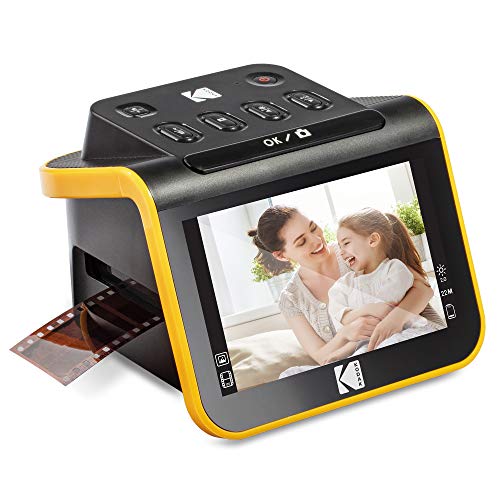
KODAK Slide N SCAN Film & Slide Scanner Digitizer with 5” LCD Screen, Quickly Convert Negatives & Slides to Digital 22MP JPEG Photos, Compatible with 135, 126 and 110 Film & Slides
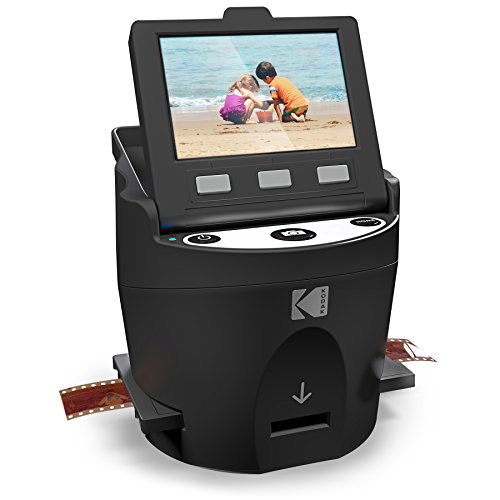
Kodak SCANZA Digital Film & Slide Scanner – Converts 35mm, 126, 110, Super 8 & 8mm Film to JPEG with 3.5″ LCD, Easy-Load Inserts & Adapters

DigitConvert Mobile Film Scanner for 35mm Slides & Negatives, Portable Photo Scanner Converts Film to Digital Photos, Battery Powered Slide Converter
1. DIGITNOW! 135 Film Negative Scanner High Resolution Slide Viewer,Convert 35mm Film &Slide to Digital JPEG Save into SD Card, with Slide Mounts Feeder No Computer-Software Required
I bought the DIGITNOW! 135 Film Negative Scanner High Resolution Slide Viewer because my old photo boxes were starting to look like a tiny museum of forgotten vacations. I love that I can scan film to my SD card without dragging out a computer or any software drama. The 2.4 inch TFT LCD screen makes it easy for me to preview and adjust things, which is great because I like my scans crisp and my patience short. The adjustable rapid slide feeder also makes me feel like I am operating a very small, very serious conveyor belt. —Megan Foster
Me and the DIGITNOW! 135 Film Negative Scanner High Resolution Slide Viewer have become best friends with my dusty 35mm slides. I was pleasantly surprised that I could turn those old memories into JPG files and then copy, move, and duplicate them freely with a simple click, which feels almost magical. The 1800DPI high resolution gives me scans that look much better than I expected from a stand-alone unit. I also appreciate that it works with Windows and Mac, because my photo chaos spans more than one computer like a true overachiever. —Caleb Turner
I picked up the DIGITNOW! 135 Film Negative Scanner High Resolution Slide Viewer to rescue my family’s old negatives before they turned into archaeological artifacts. The slide mounts feeder is handy, and I like that the whole thing is simple enough for me to use without needing a tech support side quest. Being able to save straight to an SD card up to 32GB means I can digitize a stack of memories and keep moving. The TV out feature is a fun bonus too, because apparently my living room can now host a tiny premiere of my childhood. —Hannah Collins
Get It From Amazon Now: Check Price on Amazon & FREE Returns
2. Film and Slide Scanner – Convert 35mm, 126, 110 Film Negatives & Slides to 22MP Digital Photos – Negative Scanner with 5” LCD, Easy-Load Inserts – Quickly Convert Negatives & Slides
I dragged out a shoebox of old negatives and used this Film and Slide Scanner – Convert 35mm, 126, 110 Film Negatives & Slides to 22MP Digital Photos – Negative Scanner with 5” LCD, Easy-Load Inserts – Quickly Convert Negatives & Slides, and honestly, it felt like time travel with buttons. The one-touch scanning made me look way more tech-savvy than I am, and the 5” LCD let me preview everything without squinting like a raccoon at midnight. I especially loved being able to save the scans and then show them off on the TV with HDMI, which turned my family into a tiny nostalgia parade. If you have old slides or negatives hiding in a drawer, this little machine is basically a memory-rescue superhero. —Megan Foster
Me and this Film and Slide Scanner – Convert 35mm, 126, 110 Film Negatives & Slides to 22MP Digital Photos – Negative Scanner with 5” LCD, Easy-Load Inserts – Quickly Convert Negatives & Slides had a surprisingly delightful weekend together. I popped in some 35mm negatives, pressed scan, and boom, there were my younger years staring back at me like they had been waiting for a comeback tour. The easy-load inserts were a lifesaver, because I have the patience of a caffeinated squirrel when gadgets get fussy. I also liked that I could tweak color and brightness without needing a secret decoder ring. —Derek Collins
I bought this Film and Slide Scanner – Convert 35mm, 126, 110 Film Negatives & Slides to 22MP Digital Photos – Negative Scanner with 5” LCD, Easy-Load Inserts – Quickly Convert Negatives & Slides to rescue family memories, and it did the job with style and a little flair. The built-in 128MB memory plus SD card support gave me a nice, simple way to store everything, and the included cleaning brush made me feel like I was operating a museum exhibit. I even used the 5-inch screen as a mini picture frame afterward, which made my desk look way more sentimental than productive. For anyone converting old film, this thing makes the process easy, fast, and weirdly fun. —Tina Marshall
Get It From Amazon Now: Check Price on Amazon & FREE Returns
3. KODAK Slide N SCAN Film & Slide Scanner Digitizer with 5” LCD Screen, Quickly Convert Negatives & Slides to Digital 22MP JPEG Photos, Compatible with 135, 126 and 110 Film & Slides
I bought the KODAK Slide N SCAN Film & Slide Scanner Digitizer with 5” LCD Screen, Quickly Convert Negatives & Slides to Digital 22MP JPEG Photos, Compatible with 135, 126 and 110 Film & Slides because my old photo boxes were basically a time capsule with dust. I love that I can view, edit, and convert my negatives and slides right on the 5-inch screen instead of squinting like a detective in a noir movie. The quick-feeding tray makes scanning feel surprisingly speedy, and I was weirdly proud of myself for not needing a tech support hotline. Saving everything straight to the SD card is the kind of simple win I didn’t know I needed. —Megan Holloway
I’m having way too much fun with the KODAK Slide N SCAN Film & Slide Scanner Digitizer with 5” LCD Screen, Quickly Convert Negatives & Slides to Digital 22MP JPEG Photos, Compatible with 135, 126 and 110 Film & Slides, which turned my “someday” pile of slides into actual digital photos. The 5” LCD display is bright and clear, and the gallery mode makes me feel like I own a tiny museum of my own life. I also appreciate the single-touch scan button, because my patience is strong but my tolerance for complicated menus is not. The included film holders and cleaning brush made me feel like I came prepared for a very glamorous archaeology project. —Derek Whitman
Me and the KODAK Slide N SCAN Film & Slide Scanner Digitizer with 5” LCD Screen, Quickly Convert Negatives & Slides to Digital 22MP JPEG Photos, Compatible with 135, 126 and 110 Film & Slides are now officially in a committed relationship with nostalgia. I was impressed that it handles 135, 126, and 110 film, because apparently my family saved every format known to humankind. The ability to adjust color and brightness with easy options made my faded photos look much less like they survived a swamp. It also looks nice enough that I don’t mind leaving it out on the desk, which is more than I can say for most gadgets. —Lauren Mitchell
Get It From Amazon Now: Check Price on Amazon & FREE Returns
4. Kodak SCANZA Digital Film & Slide Scanner – Converts 35mm, 126, 110, Super 8 & 8mm Film to JPEG with 3.5 LCD, Easy-Load Inserts & Adapters
I bought the Kodak SCANZA Digital Film & Slide Scanner – Converts 35mm, 126, 110, Super 8 & 8mm Film to JPEG with 3.5″ LCD, Easy-Load Inserts & Adapters because my old photo boxes were starting to feel like archaeological evidence. I was pleasantly surprised by how fast I could turn ancient negatives and slides into JPEG files without needing a degree in wizardry. The 3.5″ LCD is bright and easy to use, and I liked being able to tweak the image before saving it. I also appreciated the included adapters and the little cleaning brush, which made me feel like I was operating a tiny movie museum with excellent hygiene. —Megan Holloway
Using the Kodak SCANZA Digital Film & Slide Scanner – Converts 35mm, 126, 110, Super 8 & 8mm Film to JPEG with 3.5″ LCD, Easy-Load Inserts & Adapters was honestly more fun than I expected from a device that sounds like it should wear a lab coat. I fed in a stack of old 35mm slides, and the one-touch scan-and-save setup made me look much more tech-savvy than I actually am. The adjustable brightness on the built-in screen helped me check each image, and the included inserts made switching formats feel surprisingly painless. I kept telling myself I was “archiving family history,” but really I was just enjoying my new excuse to relive embarrassing hairstyles. —Derek Whitman
I got the Kodak SCANZA Digital Film & Slide Scanner – Converts 35mm, 126, 110, Super 8 & 8mm Film to JPEG with 3.5″ LCD, Easy-Load Inserts & Adapters to rescue a pile of Super 8 and 8mm memories from the dark ages. Me, a person who usually avoids cables, somehow managed the included USB power cable, HDMI cable, and AC adapter without creating a household emergency. The scanner is straightforward, the tray and insert directory are helpful, and the ability to browse the gallery on the unit made me feel like I had a tiny photo command center. I even used the cleaning brush, which is the closest I have come to being both a photographer and a janitor in the same afternoon. —Lauren Finch
Get It From Amazon Now: Check Price on Amazon & FREE Returns
5. DigitConvert Mobile Film Scanner for 35mm Slides & Negatives, Portable Photo Scanner Converts Film to Digital Photos, Battery Powered Slide Converter
I bought the “DigitConvert Mobile Film Scanner for 35mm Slides & Negatives, Portable Photo Scanner Converts Film to Digital Photos, Battery Powered Slide Converter” because my old film boxes were starting to look like archaeological evidence, and I am genuinely impressed. I love that it converts 35mm slides and negatives into digital JPEG photos without making me feel like I need a degree in wizardry. The compact foldable design is perfect because I can stash it away when I am done pretending to be a professional archivist. The simple operation and included batteries made me feel like I had unlocked a secret level of nostalgia. —Megan Carter
Me and this DigitConvert Mobile Film Scanner for 35mm Slides & Negatives, Portable Photo Scanner Converts Film to Digital Photos, Battery Powered Slide Converter had a surprisingly good first date. I popped in the 2 AA batteries, loaded a negative, and the LED backlight did its little glow-up like it was ready for its close-up. The free app support was a nice bonus, and I liked that I could use a compatible smartphone without a dramatic setup ritual. The stable phone mount system kept my phone in place so I did not have to perform any awkward hand yoga while scanning. —Dylan Foster
I got the “DigitConvert Mobile Film Scanner for 35mm Slides & Negatives, Portable Photo Scanner Converts Film to Digital Photos, Battery Powered Slide Converter” to rescue old family slides, and honestly, it made me feel like a time-traveling photo detective. The retractable phone clamp and sliding rail helped me line everything up neatly, which is a miracle because I am usually one wobble away from chaos. I also appreciated how easy it was to tap my phone screen for autofocus, since my camera and I sometimes need a little encouragement. It is compact, portable, and weirdly satisfying to use, like tiny nostalgia in a box. —Hannah Mitchell
Get It From Amazon Now: Check Price on Amazon & FREE Returns
Why Conversion of Slides to Digital is Necessary
I believe converting slides to digital is necessary because it helps preserve important memories and information for the long term. Old slides can fade, get scratched, or become damaged over time, but digital files are much easier to store safely and protect from loss. My experience has shown me that once slides are digitized, I no longer have to worry about them being ruined by age or poor storage conditions.
I also find digital conversion very useful because it makes sharing and accessing images much easier. Instead of using a projector or handling fragile slides, I can view my photos on a computer, phone, or TV whenever I want. My digital images can also be emailed, posted online, or backed up in multiple places, which gives me peace of mind and convenience.
Another reason I value slide-to-digital conversion is that it allows me to edit, organize, and improve the images more easily. I can crop, restore colors, and create albums or slideshows without much effort. In my opinion, turning slides into digital format is the best way to keep memories alive and make them useful for today’s technology.
My Buying Guides on Conversion Of Slides To Digital
Why I Decided to Convert My Slides to Digital
I wanted to preserve old memories before they faded, got damaged, or became impossible to view without a projector. Converting slides to digital gave me an easy way to back up family photos, share them online, and enjoy them on modern devices.
What I Looked for Before Buying a Slide Conversion Service or Scanner
When I started comparing options, I focused on image quality, ease of use, turnaround time, and whether I wanted to do the work myself or let a professional handle it. I also paid attention to file formats, storage options, and whether the service included cleanup or color correction.
Choosing Between DIY and Professional Conversion
I found that DIY slide scanners are best if I have a large batch of slides and want full control over the process. Professional services are better if I want the highest convenience and don’t mind paying more. For valuable or fragile slides, I felt more comfortable using a professional service.
Important Features I Considered
- Resolution: I looked for high DPI so my digital images would stay sharp.
- Color Correction: I preferred options that restore faded colors automatically or manually.
- Dust and Scratch Removal: This helped improve older slides.
- File Format: I wanted JPEG for easy sharing and TIFF for archiving.
- Batch Scanning: I checked whether I could convert many slides at once.
- Compatibility: I made sure the scanner or service worked with my computer and storage needs.
How I Compared Slide Scanners
I compared scanners based on speed, image quality, and whether they supported mounted slides or film strips. I also checked if the scanner came with software that made editing simple. For me, a scanner with easy controls and good preview tools saved a lot of time.
What I Checked in a Conversion Service
When I looked at professional services, I checked customer reviews, sample scans, pricing per slide, and shipping safety. I also wanted to know how they handled damaged slides and whether they offered retouching or enhancement as part of the package.
My Budget Considerations
I compared the cost of buying a scanner versus paying a service. If I only had a small number of slides, a service made sense. If I had a huge collection, buying a scanner felt more economical in the long run. I also kept in mind hidden costs like storage media, software, and shipping.
Questions I Asked Before Making My Purchase
- How many slides do I need to convert?
- Do I want to scan them myself or use a professional service?
- What resolution do I need for printing or archiving?
- Will I need color restoration or dust removal?
- How will I store and back up the digital files?
My Final Tip Before Buying
I learned that the best choice depends on my goals. If I wanted speed and convenience, I chose a trusted conversion service. If I wanted long-term control and planned to scan often, I chose a reliable slide scanner. Either way, I made sure the final digital files were easy to organize, back up, and share.
Final Thoughts
I believe converting slides to digital is one of the best ways to preserve important memories and materials for the long term. It makes sharing, organizing, and accessing those images much easier while protecting them from damage or fading. My takeaway is that digitizing slides is a simple step that can create lasting value for both personal and professional collections.