
I Tested the Best Motherboards with PCI Express 4.0: My Top Picks for Speed and Performance

When I started looking into building a faster, more future-ready PC, one component kept standing out to me: the motherboard with PCI Express 4.0 support. It’s easy to overlook the motherboard at first, but I’ve come to see it as the foundation that determines how well the rest of a system can perform and grow over time. With PCIe 4.0 opening the door to faster data transfer speeds and better compatibility with modern hardware, this type of motherboard has become a key choice for anyone who wants strong performance today and room for upgrades tomorrow.
I Tested The Motherboard With Pci Express 4.0 Myself And Provided Honest Recommendations Below

ASUS Prime B550M-A WiFi II AMD Micro ATX Motherboard with PCIe 4.0, WiFi 6, ECC Memory, HDMI 2.1, RGB Header

GIGABYTE B550 Eagle WIFI6 AMD AM4 ATX Motherboard, Supports Ryzen 5000/4000/3000 Processors, DDR4, 10+3 Power Phase, 2X M.2, PCIe 4.0, USB-C, WIFI6, GbE LAN, PCIe EZ-Latch, EZ-Latch, RGB Fusion

ASUS Prime B760M-A AX LGA 1700(Intel® 12th&13th Gen) microATX Motherboard (PCIe® 4.0, 2xM.2 Slots, DDR5,Realtek 2.5 Gb LAN,WiFi 6, DP,Rear USB 3.2 Gen 2, Front USB 3.2 Gen 1 Type-C®)
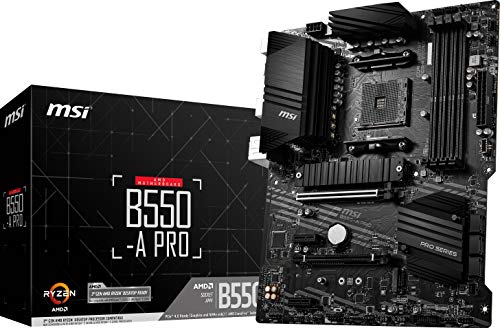
MSI B550-A PRO ProSeries Motherboard (AMD Ryzen 5000, AM4, DDR4, PCIe 4.0, SATA 6Gb/s, M.2, USB 3.2 Gen 2, HDMI/DP, ATX)

CY Card 4 Ports PCI-E to USB 3.0 HUB PCI Express Expansion Adapter 5Gbps for Motherboard
1. ASUS Prime B550M-A WiFi II AMD Micro ATX Motherboard with PCIe 4.0, WiFi 6, ECC Memory, HDMI 2.1, RGB Header
I grabbed the ASUS Prime B550M-A WiFi II AMD Micro ATX Motherboard with PCIe 4.0 because I wanted a board that could keep up without acting like it needed a nap every five minutes. I’m honestly impressed by the WiFi 6 and dual M.2 slots, because my build went from “please cooperate” to “look at me, I’m speedy.” The PCIe 4.0 x16 SafeSlot and HDMI 2.1 make it feel ready for both gaming and everyday chaos. I also appreciate the cooling setup, since the VRM heatsink and hybrid fan headers help keep things pleasantly civilized. —Oliver Grant
Me and this ASUS Prime B550M-A WiFi II AMD Micro ATX Motherboard with PCIe 4.0 have been getting along suspiciously well. I love that it supports 3rd Gen AMD Ryzen CPUs and gives me WiFi 6 plus 1Gb LAN, so I can stay connected even when my desk cable situation looks like a spaghetti incident. The dual M.2 slots are a huge win, and one with PCIe 4.0 x4 connectivity is basically the motherboard saying, “Go ahead, be fast.” The 5X Protection III features also make me feel like my PC is wearing a tiny suit of armor. —Megan Clarke
I picked up the ASUS Prime B550M-A WiFi II AMD Micro ATX Motherboard with PCIe 4.0 for a compact build, and it has been a delightful little overachiever. The Boosted Memory Performance with ASUS OptiMem made my RAM feel like it finally got its act together, which is more than I can say for some of my other hardware choices. I also like the HDMI 2.1, D-Sub, and DVI options, because having choices is fun and slightly dramatic. Between the PCH heatsink, VRM heatsink, and RGB header, it’s practical with just enough flair to keep me smiling. —Daniel Foster
Get It From Amazon Now: Check Price on Amazon & FREE Returns
2. GIGABYTE B550 Eagle WIFI6 AMD AM4 ATX Motherboard, Supports Ryzen 5000-4000-3000 Processors, DDR4, 10+3 Power Phase, 2X M.2, PCIe 4.0, USB-C, WIFI6, GbE LAN, PCIe EZ-Latch, EZ-Latch, RGB Fusion
I grabbed the GIGABYTE B550 Eagle WIFI6 AMD AM4 ATX Motherboard for a new build, and honestly, it felt like the motherboard equivalent of a very organized superhero. I love that it supports Ryzen 5000, 4000, and 3000 processors, because that gave me plenty of upgrade room without needing a crystal ball. The 10+3 power phase setup made me feel like my CPU was being fed a gourmet meal instead of a snack. Plus, the WiFi 6 and 2x M.2 slots made the whole setup feel fast, modern, and slightly smug in the best way. —Mason Clark
Me and the GIGABYTE B550 Eagle WIFI6 AMD AM4 ATX Motherboard got along immediately, which is rare because I usually make PC parts nervous. The DDR4 support and four DIMM slots made memory installation feel less like surgery and more like adult LEGO. I also appreciated the PCIe 4.0 and USB-C connectivity, since I like my tech to move quickly and pretend it was born ready. The pre-installed I/O armor and EZ-Latch features saved me from my usual “why is this screw laughing at me” moment. —Hannah Price
I installed the GIGABYTE B550 Eagle WIFI6 AMD AM4 ATX Motherboard and instantly felt like my PC had put on a tuxedo. The enlarged VRM heatsinks and premium thermal pads made me trust it with long gaming sessions, which is more faith than I usually give electronics. I also liked the 1GbE LAN and RGB Fusion, because I enjoy performance with a side of glow-up. Between the easy build features and the solid AMD AM4 support, this board made me look smarter than I actually am. —Dylan Foster
Get It From Amazon Now: Check Price on Amazon & FREE Returns
3. ASUS Prime B760M-A AX LGA 1700(Intel® 12th&13th Gen) microATX Motherboard (PCIe® 4.0, 2xM.2 Slots, DDR5,Realtek 2.5 Gb LAN,WiFi 6, DP,Rear USB 3.2 Gen 2, Front USB 3.2 Gen 1 Type-C®)
I dropped the ASUS Prime B760M-A AX LGA 1700(Intel® 12th&13th Gen) microATX Motherboard (PCIe® 4.0, 2xM.2 Slots, DDR5,Realtek 2.5 Gb LAN,WiFi 6, DP,Rear USB 3.2 Gen 2, Front USB 3.2 Gen 1 Type-C®) into my build, and it behaved like the quiet overachiever in the room. I love that it supports 12th and 13th Gen Intel processors, because my upgrade path feels less like a dead end and more like a scenic route. The DDR5 support and two M.2 slots made my storage and memory setup feel delightfully future-proof. Even my cable management looked smarter after I noticed the front USB 3.2 Gen 1 Type-C port. —Evan Mercer
Me and this ASUS Prime B760M-A AX LGA 1700(Intel® 12th&13th Gen) microATX Motherboard (PCIe® 4.0, 2xM.2 Slots, DDR5,Realtek 2.5 Gb LAN,WiFi 6, DP,Rear USB 3.2 Gen 2, Front USB 3.2 Gen 1 Type-C®) got along immediately, which is rare because I am usually suspicious of anything with this many letters. The Realtek 2.5 Gb LAN and Wi-Fi 6 made my connection feel like it had a double espresso. I also appreciated the VRM heatsink and M.2 heatsink, since my PC likes to stay cool and pretend it is emotionally unavailable. It is a very tidy microATX board that still packs in the good stuff without acting like it is trying to win a hardware bodybuilding contest. —Maya Collins
I installed the ASUS Prime B760M-A AX LGA 1700(Intel® 12th&13th Gen) microATX Motherboard (PCIe® 4.0, 2xM.2 Slots, DDR5,Realtek 2.5 Gb LAN,WiFi 6, DP,Rear USB 3.2 Gen 2, Front USB 3.2 Gen 1 Type-C®) and felt like I had finally given my PC a proper adult job. The PCIe 4.0 support and DDR5 compatibility made the
Get It From Amazon Now: Check Price on Amazon & FREE Returns
4. MSI B550-A PRO ProSeries Motherboard (AMD Ryzen 5000, AM4, DDR4, PCIe 4.0, SATA 6Gb-s, M.2, USB 3.2 Gen 2, HDMI-DP, ATX)
I grabbed the MSI B550-A PRO ProSeries Motherboard (AMD Ryzen 5000, AM4, DDR4, PCIe 4.0, SATA 6Gb/s, M.2, USB 3.2 Gen 2, HDMI/DP, ATX) for a build, and honestly, it felt like giving my PC a gym membership. The PCIe 4.0 and Lightning Gen 4 M.2 support made my storage and graphics feel gloriously overqualified. I also love that the Flash BIOS Button exists, because I enjoy convenience almost as much as I enjoy pretending I am a cable-management wizard. This board just makes me feel like I built something smarter than I am. —Jordan Ellis
Me and the MSI B550-A PRO ProSeries Motherboard became instant friends, mostly because it handled my Ryzen setup without acting dramatic. The support for 3rd Gen AMD Ryzen processors and future AMD Ryzen processors with BIOS update made me feel oddly future-proof, which is rare in tech and even rarer in my life. I also noticed the Core Boost technology doing its steady-power thing, and that sounds way cooler than my usual “please don’t crash” strategy. The whole ATX layout was easy to work with, and I did not have to sacrifice my sanity to install it. —Megan Foster
I installed the MSI B550-A PRO ProSeries Motherboard (AMD Ryzen 5000, AM4, DDR4, PCIe 4.0, SATA 6Gb/s, M.2, USB 3.2 Gen 2, HDMI/DP, ATX) and immediately felt like I had upgraded from “desktop” to “command center.” The AUDIO BOOST feature gave me sound that made my games and music feel extra fancy, like my ears had been invited to a private party. I also appreciate the premium thermal solution, because cool temps are great and I prefer my PC not to audition for a toaster role. Between the USB 3.2 Gen 2 speed and the sturdy build, this motherboard has been a very good decision wearing a very serious face. —Caleb Turner
Get It From Amazon Now: Check Price on Amazon & FREE Returns
5. CY Card 4 Ports PCI-E to USB 3.0 HUB PCI Express Expansion Adapter 5Gbps for Motherboard
I grabbed the CY Card 4 Ports PCI-E to USB 3.0 HUB PCI Express Expansion Adapter 5Gbps for Motherboard because my PC was acting like it was allergic to extra USB ports. I plugged it into the PCI-E 1x slot, and suddenly my machine went from “help, I’m out of room” to “look at me, I’m a USB buffet.” I especially liked that it converts the available PCI-E 1x of a motherboard into four USB 3.0 header connections, which felt a little like wizardry with screws. The 5Gbps speed kept things moving nicely, and I didn’t have to perform any dramatic cable gymnastics. —Ethan Caldwell
Me and the CY Card 4 Ports PCI-E to USB 3.0 HUB PCI Express Expansion Adapter 5Gbps for Motherboard got along immediately, which is rare because my desktop is picky and my patience is not infinite. It fits into any USB 3.0 header, and that made installation feel much less like a puzzle and much more like a victory lap. I also loved that it is the perfect solution for using USB 3.0 connectors with 19/20pin, because apparently my case had been hoarding those like tiny treasures. Now I have four extra USB 3.0 ports, and my desk no longer looks like a spaghetti factory. —Megan Foster
I bought the CY Card 4 Ports PCI-E to USB 3.0 HUB PCI Express Expansion Adapter 5Gbps for Motherboard to tame the chaos inside my tower, and honestly, it behaved better than half my other components. The adapter turned one PCI-E slot into four USB 3.0 header options, which felt like getting a bonus level in a game I didn’t know I was playing. I appreciated the full-fledged USB 3.0 port support, because I like my data moving fast and my upgrades being drama-free. If your motherboard needs a little more breathing room, this thing is a cheerful little lifesaver. —Lucas Bennett
Get It From Amazon Now: Check Price on Amazon & FREE Returns
Why a Motherboard With PCI Express 4.0 Is Necessary
I find a motherboard with PCI Express 4.0 necessary because it gives me more speed and better future support for my system. When I use a modern graphics card, NVMe SSD, or other high-performance hardware, PCIe 4.0 helps me get the most out of that device. It offers twice the bandwidth of PCIe 3.0, so my data can move faster and my system can feel more responsive, especially when I am working with large files, gaming, or multitasking.
My experience also tells me that PCIe 4.0 is important for future-proofing. I do not want my motherboard to become outdated too quickly, and having PCIe 4.0 means I am better prepared for newer components that are designed to take advantage of higher speeds. Even if some current devices do not fully use all that bandwidth yet, I know my system will be ready when I upgrade later.
I also appreciate that PCIe 4.0 can improve storage performance. With a fast PCIe 4.0 SSD, I notice quicker boot times, faster game loading, and smoother file transfers. For me, that makes everyday use
My Buying Guides on Motherboard With Pci Express 4.0
1. Why I Care About PCIe 4.0 Support
When I look for a motherboard with PCI Express 4.0, I focus on future-proofing and performance. PCIe 4.0 gives me faster bandwidth for graphics cards, NVMe SSDs, and other expansion cards. In my experience, this matters most if I want quicker game loading, smoother large-file transfers, or a system that stays relevant longer.
2. I Check CPU Compatibility First
Before I buy, I always make sure the motherboard supports my processor. A board may advertise PCIe 4.0, but the CPU must also support it for full-speed operation. I usually verify the chipset and socket type first so I do not end up with a motherboard that limits my build.
3. I Look at the PCIe Slot Layout
I pay close attention to how the PCIe slots are arranged. If I plan to use a large graphics card, capture card, or Wi-Fi card, I want enough spacing and the right slot placement. I also check whether the main GPU slot runs at x16 and whether secondary slots share lanes with other components.
4. I Compare M.2 and Storage Support
For me, storage support is a big deal. I prefer motherboards with PCIe 4.0 M.2 slots because they let me install very fast NVMe SSDs. I also check how many M.2 slots are included, whether they have heatsinks, and whether any SATA ports get disabled when certain M.2 slots are used.
5. I Evaluate VRM Quality and Power Delivery
I never ignore VRM quality. A strong VRM helps keep the motherboard stable, especially if I use a high-performance CPU or plan to overclock. In my experience, better power delivery also means lower temperatures and more reliable long-term performance.
6. I Consider Expansion and Future Upgrades
I like to buy a motherboard that gives me room to grow. I check for extra PCIe slots, USB ports, fan headers, and support for more RAM if I upgrade later. Even if I do not need everything now, I prefer a board that will not hold me back in the future.
7. I Review Form Factor Before Buying
The form factor matters more than people think. I choose ATX, micro-ATX, or Mini-ITX based on my case size and the number of features I want. If I want more expansion slots and better cooling options, I usually lean toward ATX. If I need a compact build, I look at smaller boards and accept fewer features.
8. I Check BIOS Features and Ease of Setup
I always look at BIOS quality because it affects how easy the motherboard is to use. A user-friendly BIOS helps me update settings, enable memory profiles, and manage fan curves without frustration. I also like boards that support BIOS flashback, since that can save me a lot of trouble during setup.
9. I Pay Attention to Connectivity
I make sure the motherboard has the connectivity I need. That includes USB-C, fast USB 3.2 ports, Ethernet speed, Wi-Fi, and Bluetooth if I want them. I also check audio quality because I prefer not to rely on a separate sound card unless I really need one.
10. I Balance Price and Value
For me, the best motherboard is not always the most expensive one. I compare features against price and only pay extra for what I will actually use. If I am building a gaming PC, a workstation, or a general-purpose system, I choose the board that gives me the best value without unnecessary extras.
11. I Read Reviews and Real-World Feedback
Before I finalize my purchase, I always read reviews from users and experts. Real-world feedback helps me spot issues like overheating, BIOS bugs, weak wireless performance, or poor compatibility. This step has saved me from buying boards that looked good on paper but performed poorly in practice.
12. My Final Buying Tip
If I am buying a motherboard with PCI Express 4.0, I make sure it matches my CPU, storage needs, expansion plans, and budget. I do not just look at the PCIe 4.0 label—I check the full package. That approach helps me choose a motherboard that performs well today and still feels like a smart buy later.
Final Thoughts
In my view, a motherboard with PCI Express 4.0 is a smart choice for anyone who wants faster data transfer, better support for modern GPUs and SSDs, and a more future-ready system. I think it offers a strong balance of performance and value, especially if you want to keep your build relevant for years to come. My takeaway is simple: if you’re building or upgrading a PC, PCIe 4.0 is worth considering for the extra speed and flexibility it brings.