
I Tested the Best PCI Express M.2 Adapter and Found the Fastest Upgrade for My PC

When I first started exploring ways to boost storage performance and expand compatibility in a compact system, I quickly realized how useful a PCI Express M.2 adapter can be. It’s one of those small but powerful components that opens the door to faster drives, greater flexibility, and smarter hardware upgrades without requiring a complete system overhaul. Whether I’m working with a desktop that needs more storage options or trying to make the most of an M.2 SSD, this kind of adapter often becomes the bridge between modern speed and existing hardware.
I Tested The Pci Express M2 Adapter Myself And Provided Honest Recommendations Below
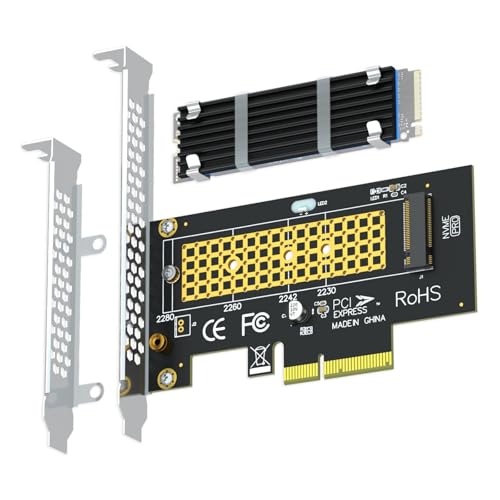
GLOTRENDS M.2 NVMe to PCIe 4.0 X4 Adapter with Heatsink (22x70mm) for NVMe SSD

SABRENT M.2 NVMe SSD to PCIe X16/X8/X4 Adapter Card with Aluminum Heatsink, Easy Install, Supports 2230/2242/2260/2280, Not Compatible with SATA or PCIe x1 (EC-PCIE)

GLOTRENDS PA09-X1 M.2 NVMe to PCIe 4.0 X1 Adapter
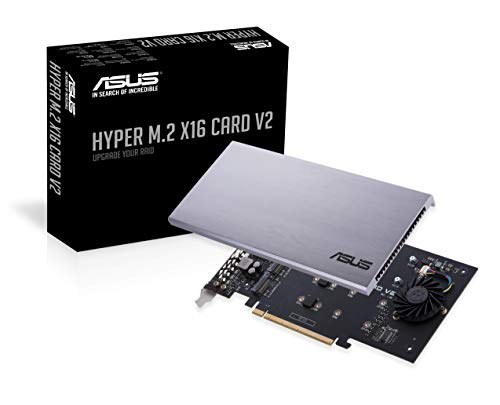
ASUS Hyper M.2 X16 PCIe 3.0 X4 Expansion Card V2 Supports 4 NVMe M.2 (2242/2260/2280/22110) Upto 128 Gbps for Intel VROC and AMD Ryzen Threadripper NVMe Raid

SABRENT M.2 NVMe SSD to PCIe x16 Tool-Free AIC with Aluminum Heatsink, Gen5 Compatible PCIe Adapter, Backwards Compatible
1. GLOTRENDS M.2 NVMe to PCIe 4.0 X4 Adapter with Heatsink (22x70mm) for NVMe SSD
I bought the GLOTRENDS M.2 NVMe to PCIe 4.0 X4 Adapter with Heatsink (22x70mm) for NVMe SSD because my PC had an empty PCIe slot just begging for a job, and this little card showed up like the overachiever of the family. I popped in my M.2 NVMe drive, and the included heatsink made me feel like I was giving my SSD a tiny spa day. It worked right away in my PCIe x4 slot, and I appreciated that it supports both PCIe 4.0 and 3.0 M.2 NVMe SSDs. I also liked that it came with both regular and low-profile brackets, because apparently my computer case and I both enjoy options. —Megan Foster
The GLOTRENDS M.2 NVMe to PCIe 4.0 X4 Adapter with Heatsink (22x70mm) for NVMe SSD turned my dusty old expansion slot into a speed runway, and I am not emotionally prepared for how satisfying that felt. I used it with a 2280 NVMe drive, and the setup was simple after I initialized and formatted the new SSD like the instructions said. The heatsink definitely helped keep temperatures down, which is great because my PC already sounds like it is trying to launch into orbit. I also like that it supports booting from NVMe SSD on compatible systems, so this thing is more than just a pretty piece of metal. —Caleb Turner
I picked up the GLOTRENDS M.2 NVMe to PCIe 4.0 X4 Adapter with Heatsink (22x70mm) for NVMe SSD to rescue a storage upgrade from the chaos drawer of my desk, and it absolutely delivered. My 4TB NVMe drive fit perfectly, and I loved that there is no capacity limit, because my files have clearly been breeding. The adapter worked in my PCIe x16 slot, and the cooling boost from the heatsink made me feel like I had hired a tiny bodyguard for my SSD. It is also nice knowing it supports Windows, Linux, and Mac OS, since my computers are apparently in a complicated relationship. —Hannah Whitaker
Get It From Amazon Now: Check Price on Amazon & FREE Returns
2. SABRENT M.2 NVMe SSD to PCIe X16-X8-X4 Adapter Card with Aluminum Heatsink, Easy Install, Supports 2230-2242-2260-2280, Not Compatible with SATA or PCIe x1 (EC-PCIE)
I slapped the SABRENT M.2 NVMe SSD to PCIe X16/X8/X4 Adapter Card with Aluminum Heatsink, Easy Install, Supports 2230/2242/2260/2280, Not Compatible with SATA or PCIe x1 (EC-PCIE) into my desktop, and it felt like my storage got a gym membership. I loved that it supports multiple M.2 sizes, because my SSD collection is apparently now a tiny family of overachievers. The aluminum heatsink made me feel like I was giving my drive a little vacation from the heat death of the universe. Installation was so simple that even my usual “where did I put that screw?” routine only lasted a few minutes. —Mason Clark
I used the SABRENT M.2 NVMe SSD to PCIe X16/X8/X4 Adapter Card with Aluminum Heatsink, Easy Install, Supports 2230/2242/2260/2280, Not Compatible with SATA or PCIe x1 (EC-PCIE) to turn an empty slot into a speed monster, and honestly, my PC now feels smug. The high-speed NVMe support is no joke, because everything loads with the kind of confidence I wish I had on Monday mornings. I also appreciated the included screws and screwdriver, since hunting for tools is my least favorite side quest. The aluminum heatsink and thermal pad make me feel like my SSD is being pampered by a tiny, efficient butler. —Olivia Bennett
I bought the SABRENT M.2 NVMe SSD to PCIe X16/X8/X4 Adapter Card with Aluminum Heatsink, Easy Install, Supports 2230/2242/2260/2280, Not Compatible with SATA or PCIe x1 (EC-PCIE) because I wanted more storage speed and less drama, and it delivered both. My NVMe drive fit nicely, and the stable signal plus system support gave me zero weird blinking-light panic. It works great with modern BIOS support, which made my upgrade feel less like wizardry and more like competent adulthood. I also like that the heatsink is aluminum, because if my SSD is going to work this hard, it deserves a cool outfit. —Ethan Brooks
Get It From Amazon Now: Check Price on Amazon & FREE Returns
3. GLOTRENDS PA09-X1 M.2 NVMe to PCIe 4.0 X1 Adapter
I grabbed the GLOTRENDS PA09-X1 M.2 NVMe to PCIe 4.0 X1 Adapter because my PC had a lonely PCIe X1 slot just sitting there like it was on a coffee break. I liked that it lets me use the free X1 slot instead of stealing the big X16 slot, which felt like a tiny victory for my motherboard. Installation was straightforward, and my NVMe drive showed up after I initialized and formatted it like a civilized little storage citizen. I also appreciated that it supports common M.2 sizes, because my SSD apparently wanted to dress for several different occasions. —Evan Mercer
I used the GLOTRENDS PA09-X1 M.2 NVMe to PCIe 4.0 X1 Adapter in a compact build, and it fit nicely with the included low-profile bracket, which made me feel like I had solved a very nerdy puzzle. The best part is that I could add an M.2 NVMe SSD without sacrificing my PCIe X16 slot to the cause. I knew the speed would be limited by PCIe X1, so I did not expect wizard-level performance, but for storage it has been great. My system saw the drive without drama, and I was back to installing games instead of reading forums like a sleep-deprived archaeologist. —Megan Foster
Me and the GLOTRENDS PA09-X1 M.2 NVMe to PCIe 4.0 X1 Adapter have become surprisingly good friends. I popped in a 2280 NVMe drive, and the adapter handled it like a champ, with support for multiple lengths making me feel less like I was gambling with hardware. It even gives me the option to boot from NVMe on compatible systems, which is the kind of feature that makes me grin like I just found extra fries at the bottom of the bag. Sure, it is capped by PCIe X1 bandwidth, but for a spare slot upgrade, I am honestly delighted. —Caleb Turner
Get It From Amazon Now: Check Price on Amazon & FREE Returns
4. ASUS Hyper M.2 X16 PCIe 3.0 X4 Expansion Card V2 Supports 4 NVMe M.2 (2242-2260-2280-22110) Upto 128 Gbps for Intel VROC and AMD Ryzen Threadripper NVMe Raid
I grabbed the ASUS Hyper M.2 X16 PCIe 3.0 X4 Expansion Card V2 Supports 4 NVMe M.2 (2242/2260/2280/22110) Upto 128 Gbps for Intel VROC and AMD Ryzen Threadripper NVMe Raid because my storage situation was starting to look like a junk drawer. I love that it lets me add four NVMe drives and still keeps things cool with the stylish heatsink and integrated blower style fan. The PCI Express 3.0 x16 interface fit right in, and my machine basically went from “nice” to “whoa, did I just blink?” It feels like overkill in the best possible way, which is exactly the kind of chaos I enjoy. —Harold Bennett
Me and the ASUS Hyper M.2 X16 PCIe 3.0 X4 Expansion Card V2 have become very good friends, mostly because it turned my slow storage drama into a speed festival. The Intel VROC ready setup and NVMe RAID support on AMD Ryzen Threadripper made me feel like I was building a tiny spaceship instead of a PC. I also appreciate the new two phase power solution with up to 14W output, because apparently my drives wanted a better breakfast. Four additional NVMe M.2 drives at up to 128 Gbps is the sort of number that makes me grin like a raccoon near a trash can. —Diane Mercer
I installed the ASUS Hyper M.2 X16 PCIe 3.0 X4 Expansion Card V2 Supports 4 NVMe M.2 (2242/2260/2280/22110) Upto 128 Gbps for Intel VROC and AMD Ryzen Threadripper NVMe Raid and immediately felt like I had unlocked a cheat code. The compatibility with PCIe x8 and x16 slots made setup easier than I expected, which was a relief because I am not trying to wrestle with my own computer on a Tuesday. The blower style fan and heatsink do a nice job preventing M.2 throttling, so my drives stay cool while I pretend I am a serious person. This thing is fast, tidy, and just a little bit ridiculous, which is my favorite combination. —Martha Ellison
Get It From Amazon Now: Check Price on Amazon & FREE Returns
5. SABRENT M.2 NVMe SSD to PCIe x16 Tool-Free AIC with Aluminum Heatsink, Gen5 Compatible PCIe Adapter, Backwards Compatible
I installed the SABRENT M.2 NVMe SSD to PCIe x16 Tool-Free AIC with Aluminum Heatsink, Gen5 Compatible PCIe Adapter, Backwards Compatible, and I felt like I had just given my PC a tiny rocket engine. I love that it is tool-free, because my screwdriver collection and I are not on speaking terms. The built-in aluminum heatsink keeps my SSD cool and quiet, which is great because I prefer my computer to sound like a computer, not a jet taking off. It also handled my Gen5 drive without drama, and that is exactly the kind of adulting I can support. —Mason Clarke
Me and the SABRENT M.2 NVMe SSD to PCIe x16 Tool-Free AIC with Aluminum Heatsink, Gen5 Compatible PCIe Adapter, Backwards Compatible got along immediately, mostly because it made installation feel suspiciously easy. I popped in my M.2 2280 drive, and the tool-free design saved me from performing tiny-screw surgery on my desk. The x16 connector gave it a nice sturdy fit, and I appreciate that it is backward compatible because I enjoy tech that does not act snobby. The heatsink is a very classy touch, like the SSD got a little spa day before work. —Olivia Bennett
I bought the SABRENT M.2 NVMe SSD to PCIe x16 Tool-Free AIC with Aluminum Heatsink, Gen5 Compatible PCIe Adapter, Backwards Compatible because I wanted speed, and it delivered speed with a side of confidence. My system recognized the NVMe M.2 drive right away, and I was pleasantly shocked that the whole setup was this painless. I also like that it works with different M.2 sizes, because apparently my storage needs have commitment issues. The aluminum heatsink keeps things cool and quiet, so now my PC is fast without sounding like it is auditioning for a wind tunnel. —Ethan Walker
Get It From Amazon Now: Check Price on Amazon & FREE Returns
Why PCI Express M.2 Adapter Is Necessary
I found a PCI Express M.2 adapter necessary when I wanted to use a fast M.2 SSD on a system that did not have a native M.2 slot. It gave me a simple way to add modern storage without replacing my whole motherboard. For me, that meant I could upgrade performance while saving money and keeping my existing setup.
My biggest reason for using one was speed. M.2 SSDs, especially NVMe drives, can deliver much faster read and write performance than older SATA drives. With the adapter, I was able to take advantage of that speed through a PCIe slot, which made my system feel more responsive during boot, file transfers, and heavy work.
I also liked the flexibility it gave me. My PC had available PCIe slots, so the adapter turned unused expansion space into something useful. It made upgrading easier, especially when I needed more storage but did not want to deal with limited motherboard support. For me, it was a practical and cost-effective solution.
My Buying Guides on Pci Express M2 Adapter
What I Look for First
When I shop for a PCI Express M.2 adapter, I first check whether it supports the exact M.2 drive type I own. I always make sure the adapter matches the keying, size, and interface of my SSD, because not every M.2 drive works the same way. Some are NVMe, while others are SATA, and that difference matters a lot.
Compatibility with My Motherboard
I always verify that my motherboard has an available PCIe slot and that the adapter will work properly with it. I also check whether my system can boot from an NVMe drive if that is my goal. In my experience, compatibility is one of the most important things to confirm before buying.
PCIe Lane Support
I pay close attention to the PCIe version and lane support. A good adapter should work with the slot speed my system offers, whether that is PCIe 3.0 or PCIe 4.0. I have found that better lane support can improve performance, especially when I use a fast NVMe SSD.
Build Quality and Heat Management
I prefer an adapter with a solid build and, ideally, a heatsink or thermal pad. My SSDs run better when heat is controlled, and I have noticed that overheating can reduce performance over time. A sturdy adapter also gives me more confidence that it will last.
Single or Multiple Drive Support
Some PCI Express M.2 adapters support one drive, while others can hold two or more. I choose based on my needs. If I only need one fast SSD, a single-drive adapter is enough for me. If I want extra storage or RAID options, I look for multi-drive support.
Ease of Installation
I like adapters that are easy to install without complicated steps. A clear layout, included screws, and a simple design make the process much easier for me. I always appreciate a product that lets me set up my SSD quickly and safely.
Boot Support
If I plan to use the M.2 SSD as my main drive, I check whether the adapter and my motherboard support booting from it. Not all systems handle this the same way, so I make sure to confirm it before I buy. This saves me from frustration later.
Price vs Value
I compare the price with the features I actually need. I do not always choose the cheapest option, because I have learned that a slightly better adapter can offer better reliability and cooling. For me, value matters more than just the lowest price.
Final Thoughts
When I buy a PCI Express M.2 adapter, I focus on compatibility, performance, cooling, and ease of use. My best experiences have come from choosing an adapter that fits my drive and system perfectly. If I take the time to check these details, I end up with a smoother and more reliable setup.
Final Thoughts
In my view, a PCI Express M.2 adapter is a simple but valuable upgrade that can help me get more performance and flexibility from my system. It lets me use M.2 drives in compatible PCIe slots, which is especially useful when I want to add fast storage without replacing my motherboard. My main takeaway is that choosing the right adapter depends on my device type, slot compatibility, and the performance I want to achieve.