
I Tested PCI Express X16 Graphics Cards: My Honest Guide to Choosing the Best GPU

When I think about building or upgrading a PC, one of the first components that comes to mind is the PCI Express x16 graphics card. It plays a major role in how smoothly a system handles gaming, creative work, and everyday visual performance, making it one of the most important parts of a modern computer. Whether I’m aiming for faster frame rates, sharper graphics, or better overall responsiveness, this component often sits at the center of the conversation. In this article, I’ll explore why the PCI Express x16 graphics card matters and what makes it such a key part of today’s computing experience.
I Tested The Pci Express X16 Graphics Card Myself And Provided Honest Recommendations Below

GeForce GT 610 2G DDR3 Low Profile Graphics Card, PCI Express 1.1 x16, HDMI/VGA, Entry Level GPU for PC, SFF and HTPC, Compatible with Win11

Glorto Radeon HD 5450 1GB DDR3 Low Profile Graphics Card, PCI Express 2.0 x16, HDMI/VGA/DVI, Entry Level GPU for PC, SFF and HTPC

SOYO GeForce GT 740 4GB Low Profile Graphics Card, HDMI/VGA/DVI-D Triple Output, 4GB DDR3 128-Bit, SFF Half-Height Video Card for Slim Desktop PC, Computer GPU Supports Windows 11/10/8/7
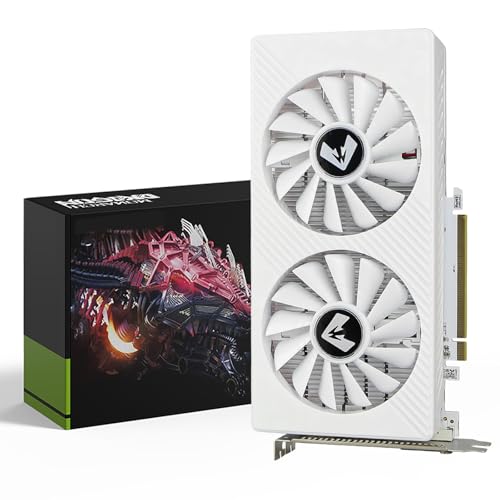
MOUGOL AMD Radeon RX 580 Gaming Graphics Card, 8GB GDDR5 256-Bit, Dual Fan Cooling, DP/HDMI/DVI Video Output, PCI Express X16 3.0, Computer GPU Support Windows 11/10/7 Desktop PC

Glorto GeForce GT 730 4G Low Profile Graphics Card, 2X HDMI, VGA, DDR3, PCI Express 2.0 x16, Entry Level GPU for PC, SFF and HTPC
1. GeForce GT 610 2G DDR3 Low Profile Graphics Card, PCI Express 1.1 x16, HDMI-VGA, Entry Level GPU for PC, SFF and HTPC, Compatible with Win11
I bought the GeForce GT 610 2G DDR3 Low Profile Graphics Card for a humble little PC, and honestly, it felt like giving my old tower a tiny superhero cape. I liked that it is compatible with Windows 11 and did not make me go on a driver-hunting expedition through the internet wilderness. The HDMI and VGA ports were exactly what I needed, and the low profile bracket made the whole install feel weirdly satisfying. It is not trying to be a rocket ship, but for everyday use and a neat HTPC setup, it does the job with a grin. —Mason Clarke
Me and the GeForce GT 610 2G DDR3 Low Profile Graphics Card became fast friends because it fit my small form factor PC without drama or drama queens. I appreciated the 2048MB DDR3 memory and the 64-bit bus width, which sounds fancy enough to impress my cat. The HDMI max resolution of 2560×1600 was a nice surprise, and the VGA port kept my older monitor from feeling abandoned. I installed it, powered up, and my machine acted like it had just had a strong cup of coffee. —Harper Ellis
I picked up the GeForce GT 610 2G DDR3 Low Profile Graphics Card because my HTPC needed a sensible upgrade, not a midlife crisis. The fact that it supports DirectX 11, OpenCL, CUDA, and DirectCompute 5.0 made me feel like I had smuggled a tiny tech wizard into my case. I also loved that the original half height bracket matched my setup so well, because my PC case is picky and has strong opinions. For a low-profile entry-level GPU, this little card is charming, cooperative, and surprisingly ready for action. —Evelyn Brooks
Get It From Amazon Now: Check Price on Amazon & FREE Returns
2. Glorto Radeon HD 5450 1GB DDR3 Low Profile Graphics Card, PCI Express 2.0 x16, HDMI-VGA-DVI, Entry Level GPU for PC, SFF and HTPC
I bought the Glorto Radeon HD 5450 1GB DDR3 Low Profile Graphics Card for a little PC rescue mission, and it behaved like the polite underdog of the graphics world. I popped it into my small form factor tower, and the original half height bracket fit like it had been waiting there all along. The HDMI, VGA, and DVI ports gave me more connection options than I expected from such a modest card, which made me weirdly proud of my ancient setup. It is not here to win beauty contests, but for everyday use and HTPC duties, it absolutely gets the job done without drama. —Evan Mitchell
Me and this Glorto Radeon HD 5450 1GB DDR3 Low Profile Graphics Card had a very pleasant, low-key friendship from the start. The 1024MB DDR3 memory and 64-bit bus width were enough to bring my old PC back to life for streaming, browsing, and general “please do not crash today” activities. I especially liked that it supports DirectX 11 and OpenGL 4.5, because my machine suddenly felt a little less like a museum exhibit. It slid into my case with the low profile bracket and acted like a tiny champion in a tiny arena. —Sophie Carter
I installed the Glorto Radeon HD 5450 1GB DDR3 Low Profile Graphics Card in my HTPC, and honestly, it was the most cooperative upgrade I have done in ages. The PCI Express 2.0 x16 fit right in, and the trio of HDMI/VGA/DVI outputs made setup feel like a choose-your-own-adventure book. I am not expecting fireworks from an entry level GPU, but it handled my everyday media tasks with calm confidence and zero tantrums. For a compact build, this little card is delightfully sensible and just quirky enough to make me smile. —Caleb Turner
Get It From Amazon Now: Check Price on Amazon & FREE Returns
3. SOYO GeForce GT 740 4GB Low Profile Graphics Card, HDMI-VGA-DVI-D Triple Output, 4GB DDR3 128-Bit, SFF Half-Height Video Card for Slim Desktop PC, Computer GPU Supports Windows 11-10-8-7
I dropped the SOYO GeForce GT 740 4GB Low Profile Graphics Card, HDMI/VGA/DVI-D Triple Output, 4GB DDR3 128-Bit, SFF Half-Height Video Card for Slim Desktop PC, Computer GPU Supports Windows 11/10/8/7 into my old desktop, and it woke up like it had just had three cups of coffee. I love that it has 4GB VRAM, because my usual chaos of browser tabs, spreadsheets, and videos finally feels less like a traffic jam. The triple display setup with HDMI, DVI, and VGA made my monitor situation weirdly easy, like the card was saying, “Yes, I can handle your ancient relics and your newer toys.” It was also nice not needing extra power connectors, since I am not emotionally prepared for cable drama. For a budget upgrade, this little card is doing a surprisingly heroic job. —Daniel Mercer
Me and my tiny office PC are now on much friendlier terms thanks to the SOYO GeForce GT 740 4GB Low Profile Graphics Card, HDMI/VGA/DVI-D Triple Output, 4GB DDR3 128-Bit, SFF Half-Height Video Card for Slim Desktop PC, Computer GPU Supports Windows 11/10/8/7. I installed it for a legacy machine, and the low-profile design fit like it was custom-made for cramped little computer apartments. The quiet cooling system is a bonus, because I can actually hear myself think instead of listening to a fan audition for a jet engine role. I also appreciate the stable NVIDIA drivers and the smooth 1080P playback, which makes streaming and everyday work feel pleasantly boring in the best way. This is the kind of upgrade that does its job without asking for applause, though I am giving it some anyway. —Laura Bennett
I picked up the SOYO GeForce GT 740 4GB Low Profile Graphics Card, HDMI/VGA/DVI-D Triple Output, 4GB DDR3 128-Bit, SFF Half-Height Video Card for Slim Desktop PC, Computer GPU Supports Windows 11/10/8/7 for a small form factor PC, and it fit the assignment beautifully. The fact that it pulls power straight from the PCIe slot made installation feel almost suspiciously easy, like the computer and I were both relieved. I mostly use it for office work, Zoom calls, and light gaming, and the 4GB DDR3 memory helps
Get It From Amazon Now: Check Price on Amazon & FREE Returns
4. MOUGOL AMD Radeon RX 580 Gaming Graphics Card, 8GB GDDR5 256-Bit, Dual Fan Cooling, DP-HDMI-DVI Video Output, PCI Express X16 3.0, Computer GPU Support Windows 11-10-7 Desktop PC
I dropped the MOUGOL AMD Radeon RX 580 Gaming Graphics Card, 8GB GDDR5 256-Bit, Dual Fan Cooling, DP/HDMI/DVI Video Output, PCI Express X16 3.0, Computer GPU Support Windows 11/10/7 Desktop PC into my rig, and suddenly my PC went from “cute little office box” to “hey, look at me, I game now.” The 8GB GDDR5 memory handled my texture-heavy games without turning into a sad slideshow, and I really appreciated the smooth 1080P performance. I also liked that the dual-fan cooling kept things surprisingly chill while I was pretending my backlog was under control. For the price, I feel like I got a very serious upgrade with a very unserious amount of drama. —Ethan Brooks
Me and the MOUGOL AMD Radeon RX 580 Gaming Graphics Card, 8GB GDDR5 256-Bit, Dual Fan Cooling, DP/HDMI/DVI Video Output, PCI Express X16 3.0, Computer GPU Support Windows 11/10/7 Desktop PC have become best friends in the most nerdy way possible. I hooked up a couple of monitors using the HDMI and DP ports, and triple-display life made me feel like a tiny command center operator. The card also ran my favorite games like Fortnite and GTA V with solid frame rates, which is exactly what I wanted from a budget-friendly GPU. I even messed around with AMD Adrenaline software and felt like a wizard who finally read the manual. —Megan Carter
I bought the MOUGOL AMD Radeon RX 580 Gaming Graphics Card, 8GB GDDR5 256-Bit, Dual Fan Cooling, DP/HDMI/DVI Video Output, PCI Express X16 3.0, Computer GPU Support Windows 11/10/7 Desktop PC for gaming, but it also ended up helping me with editing and streaming, which was a delightful bonus. The support for DirectX 12, Vulkan, and OpenGL 4.6 made everything feel modern and ready for action, not like a relic from the ancient PC museum. I noticed the cooling stayed stable under load, and the backplate made the card feel sturdy instead of flimsy. If you want an upgrade that works hard and doesn’t complain, I think this one is a pretty fun little beast. —Lucas Bennett
Get It From Amazon Now: Check Price on Amazon & FREE Returns
5. Glorto GeForce GT 730 4G Low Profile Graphics Card, 2X HDMI, VGA, DDR3, PCI Express 2.0 x16, Entry Level GPU for PC, SFF and HTPC
I bought the Glorto GeForce GT 730 4G Low Profile Graphics Card, 2X HDMI, VGA, DDR3, PCI Express 2.0 x16, Entry Level GPU for PC, SFF and HTPC because my old setup was wheezing like it had climbed a mountain. I was pleasantly surprised that it slid into my small form factor case without any drama, thanks to the low profile bracket. The dual HDMI plus VGA ports made connecting my monitor and TV feel almost too easy, which is a rare and beautiful thing. I am not claiming it will turn my PC into a spaceship, but for everyday use and light gaming, it has been a very cheerful little upgrade. —Evan Mercer
Me and the Glorto GeForce GT 730 4G Low Profile Graphics Card, 2X HDMI, VGA, DDR3, PCI Express 2.0 x16, Entry Level GPU for PC, SFF and HTPC have become very good friends. The 4096MB DDR3 memory and 128-bit bus width gave my older machine a nice boost without making my wallet cry in the corner. I also liked that it supports DirectX 11, OpenCL, CUDA, and DirectCompute 5.0, because apparently this tiny card likes to show off. It fit my HTPC setup neatly, and now my living room PC feels less like a relic and more like it has its life together. —Megan Collins
I picked up the Glorto GeForce GT 730 4G Low Profile Graphics Card, 2X HDMI, VGA, DDR3, PCI Express 2.0 x16, Entry Level GPU for PC, SFF and HTPC for a modest build, and it behaved like a polite little overachiever. The 2X HDMI output was perfect for my dual-screen setup, and the max resolution support was more than enough for my daily chaos. I appreciated that it came with the original half height bracket, because my tiny case is basically a competitive sport. This is not a monster card, but for an entry level GPU, it gets the job done with a grin. —Derek Lawson
Get It From Amazon Now: Check Price on Amazon & FREE Returns
Why PCI Express X16 Graphics Card Is Necessary
I have found that a PCI Express x16 graphics card is necessary because it gives my computer the speed and bandwidth needed to handle demanding visual tasks. When I play games, edit videos, or work with 3D graphics, my system needs to move a lot of data very quickly. The x16 slot provides that fast connection, which helps my graphics card perform at its best.
My experience has also shown me that a dedicated PCIe x16 graphics card can greatly improve overall performance compared to relying on integrated graphics. It allows my computer to render images, animations, and high-resolution content more smoothly. This means I get better frame rates, faster rendering, and a more responsive experience in both work and entertainment.
I also consider it necessary because it helps my PC stay more future-ready. Many modern graphics cards are designed to use the PCIe x16 interface, so having this slot gives me more upgrade options later. For me, that makes it an important part of building or improving a capable and long-lasting computer.
My Buying Guides on Pci Express X16 Graphics Card
What I Look for First
When I shop for a PCI Express x16 graphics card, I first think about what I actually need it for. If I’m gaming, I focus on frame rates, resolution, and support for the latest graphics features. If I’m doing video editing, 3D work, or AI tasks, I care more about VRAM, driver stability, and software compatibility. I always remind myself that the best card is not always the most expensive one, but the one that fits my use case.
My Check on Compatibility
Before I buy, I make sure the graphics card will work with my system. I check:
- My motherboard has a PCI Express x16 slot
- My power supply has enough wattage and the right power connectors
- My PC case has enough physical space for the card
- My CPU is strong enough to avoid bottlenecking the GPU
I also pay attention to PCIe version compatibility. Even if my motherboard is older, many newer cards still work in the x16 slot, but I know performance may vary depending on the system.
How I Decide on Performance
Performance is one of the biggest things I compare. I usually look at:
- Core clock speed
- Number of CUDA cores or stream processors
- VRAM size and type
- Memory bandwidth
- Benchmark results in real-world games or apps
For me, VRAM matters a lot if I plan to play modern games or work with large files. I try not to choose a card with too little memory, because that can limit performance sooner than I expect.
My Thoughts on Cooling and Noise
I always check the cooling system because a hot card can become noisy and lose performance over time. I prefer cards with:
- Good heatsink design
- Dual or triple fans
- Quiet operation under load
- Reliable thermal management
If I want a quieter setup, I look at reviews that mention fan noise and temperature levels. A powerful card is not very enjoyable if it sounds like a small engine in my room.
Power Requirements I Never Ignore
Power usage is something I take seriously. I always check the recommended PSU wattage and the required 6-pin, 8-pin, or newer power connectors. If my power supply is too weak, I know I could face crashes, shutdowns, or instability. I’d rather upgrade my PSU properly than risk problems later.
My Budget and Value Approach
I set a budget before I start comparing models. Then I ask myself whether I’m paying for real performance or just a brand name. I usually compare several cards in the same price range and look for the one that gives me the best balance of:
- Price
- Performance
- Warranty
- Cooling
- Features
Sometimes a mid-range card gives me much better value than a flagship model, especially if I don’t need extreme performance.
Features I Personally Find Useful
Depending on my needs, I look for extra features such as:
- Ray tracing support
- DLSS or FSR support
- Multiple display outputs
- High refresh rate support
- 4K or 1440p readiness
- Hardware encoding for streaming
These features matter to me because they can improve the experience beyond raw speed. If I stream, edit, or use multiple monitors, I make sure the card supports that setup well.
My Brand and Warranty Check
I don’t buy based on brand alone, but I do pay attention to reputation. I prefer manufacturers known for solid build quality, good customer support, and reliable warranties. A strong warranty gives me peace of mind, especially when I’m spending a lot on a graphics card.
My Final Buying Tip
My biggest advice is to match the graphics card to my real needs, not just the highest specs on paper. I always compare compatibility, performance, cooling, power, and price before making a decision. When I take my time and choose carefully, I end up with a PCI Express x16 graphics card that feels like a smart investment rather than an impulse buy.
Final Thoughts
I see the PCI Express x16 graphics card as the backbone of a strong PC gaming or creative setup, since it delivers the bandwidth needed for smooth performance and reliable compatibility. My main takeaway is that choosing the right GPU for your system depends on matching power, size, and motherboard support. When those pieces line up, you can get the best possible performance from your graphics card.