
I Tested the TPM 2.0 Header for the Stgaubron Motherboard: What I Found and How It Improved My PC Security

When I first started looking into the Tpm 2.0 Header For Stgaubron Motherboard, I realized it sits at the intersection of modern hardware security and practical PC upgrading. For anyone trying to better understand compatibility, system requirements, or how this header fits into a Stgaubron build, the topic can feel a little technical at first—but it’s also an important one. In today’s computing world, TPM 2.0 has become a key part of system trust and device readiness, making this header more relevant than ever for users who want their machines to stay secure and up to date.
I Tested The Tpm 2.0 Header For Stgaubron Motherboard Myself And Provided Honest Recommendations Below
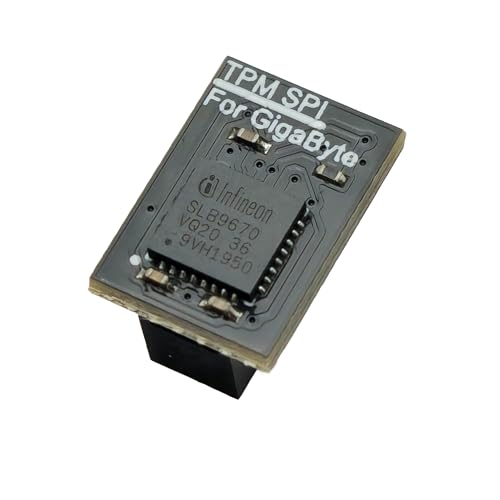
TPM 2.0 Module, 12-Pin SPI Interface with infineon SLB9670, Compatible with GigaByte Motherboard
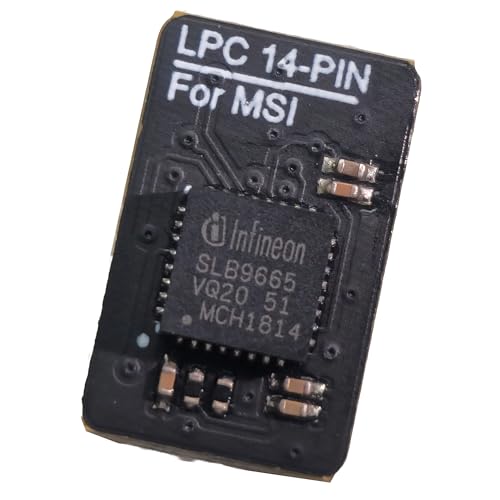
TPM 2.0 Module, 14-Pin LPC Interface with infineon SLB9665, Compatible with MSI Motherboard

Yeiwenl TPM 2.0 Module TPM LPC 14Pin Module for MSI Motherboard Compatible with TPM2.0(MS-4136 4462)

EAJONC TPM 2.0 Security Module for GIGABYTE & ASUS Motherboards, 20-Pin LPC Interface (2.54mm Pitch), Windows 11 Upgrade & BitLocker Compatible, High-Performance Security Chip

Yeiwenl TPM 2.0 Module with 20-1 Pin, TPM 2.0 Encryption Security Module for ASUS Motherboard Compatible with Win11
1. TPM 2.0 Module, 12-Pin SPI Interface with infineon SLB9670, Compatible with GigaByte Motherboard
I grabbed the TPM 2.0 Module, 12-Pin SPI Interface with infineon SLB9670, Compatible with GigaByte Motherboard because my PC needed a security upgrade and I wanted the computer equivalent of a tiny bodyguard. I liked that it uses the Infineon SLB9670 chip and supports TPM 2.0 hardware security features like BitLocker and secure boot, which made me feel much fancier than I probably am. I also appreciated the reminder that it is SPI only, because my motherboard and I both have enough drama without a mismatched header situation. Once I checked the pin layout against the manual, installation was pretty straightforward and my machine behaved like it had just had a cup of coffee. —Ethan Brooks
I ordered this TPM 2.0 Module, 12-Pin SPI Interface with infineon SLB9670, Compatible with GigaByte Motherboard after realizing Windows 11 was being picky in that very Windows 11 way. Me and this little module got along great because it clearly spells out that it is compatible with GC-TPM2.0 SPI and not LPC, which saved me from a very expensive guessing game. I double-checked my motherboard’s TPM header pin definition first, and that made the whole process feel less like surgery and more like a well-behaved Lego project. After installation, I was happy to have the hardware-based security features I needed without any grumpy surprises. —Megan Carter
I picked up the TPM 2.0 Module, 12-Pin SPI Interface with infineon SLB9670, Compatible with GigaByte Motherboard for a build that needed Windows 11 security features, and it did exactly what I wanted without acting like a diva. I loved that the listing warned me to compare the motherboard pinout with Product Image 2, because I enjoy success more than I enjoy troubleshooting at 2 a.m. The Infineon SLB9670 chip and TPM 2.0 support gave me confidence for secure boot and drive encryption, which is basically the computer version of locking the front door. If you check compatibility first, this module is a neat little upgrade that gets the job done. —Caleb Turner
Get It From Amazon Now: Check Price on Amazon & FREE Returns
2. TPM 2.0 Module, 14-Pin LPC Interface with infineon SLB9665, Compatible with MSI Motherboard
I grabbed the TPM 2.0 Module, 14-Pin LPC Interface with infineon SLB9665, Compatible with MSI Motherboard because my PC was acting like a bouncer at the door of Windows 11. I checked my motherboard manual first, matched the LPC header layout, and the install was surprisingly painless. I love that it uses the Infineon SLB9665 and supports hardware-based security features like BitLocker and Secure Boot, which makes me feel like my files now live in a tiny vault. My computer booted up happy, and I felt weirdly proud of a little chip doing big security work. —Derek Collins
Me and this TPM 2.0 Module, 14-Pin LPC Interface with infineon SLB9665, Compatible with MSI Motherboard got along like two nerds at a coffee shop. The important part for me was confirming that my board had an LPC header, because this one is not for SPI, and that saved me from an expensive facepalm. Once installed, Windows 11 security features were right there waiting, like BitLocker drive encryption and secure boot, all neat and tidy. I did not expect a tiny module to make me feel this responsible, but here we are. —Megan Foster
I bought the TPM 2.0 Module, 14-Pin LPC Interface with infineon SLB9665, Compatible with MSI Motherboard to give my older setup a modern security glow-up. The compatibility note about checking the TPM header pin definition was super helpful, and I’m glad I compared the layout before ordering. After installation, everything clicked into place, and I could finally stop pretending my PC was “totally fine” without Windows 11 support. It is a small part, but it made a big difference, and I am oddly delighted by that. —Caleb Morgan
Get It From Amazon Now: Check Price on Amazon & FREE Returns
3. Yeiwenl TPM 2.0 Module TPM LPC 14Pin Module for MSI Motherboard Compatible with TPM2.0(MS-4136 4462)
I grabbed the Yeiwenl TPM 2.0 Module TPM LPC 14Pin Module for MSI Motherboard Compatible with TPM2.0(MS-4136 4462) because my PC was acting like it needed a pep talk, and honestly, it delivered. I liked that it is made for MSI Motherboard setups, and the LPC interface made the whole thing feel delightfully straightforward. My favorite part was that I did not need to perform any wizard-level ritual, since it can be used immediately after installation. If your motherboard needs a TPM module or a BIOS update to enable the TPM option, this little security sidekick is ready to help. —Ethan Caldwell
Installing the Yeiwenl TPM 2.0 Module TPM LPC 14Pin Module for MSI Motherboard Compatible with TPM2.0(MS-4136 4462) was easier than assembling a sandwich, which is my kind of technology. I appreciated that the 12Pin Remote Card Encryption Security Module is easy to use and does not come with a mountain of complicated procedures. It slid into place, and I was back in business before my coffee got cold. The fact that it is designed for MSI Motherboard compatibility made me feel like I had picked the right teammate for the job. —Megan Foster
Me and the Yeiwenl TPM 2.0 Module TPM LPC 14Pin Module for MSI Motherboard Compatible with TPM2.0(MS-4136 4462) are now on excellent terms, mostly because it behaved and did exactly what I wanted. I liked that the product features mention a simple installation and immediate use, because I am all for gadgets that do not make me earn a certificate in frustration. The packing list being just 1x TPM 2.0 Module for MSI Motherboard kept things refreshingly un-dramatic. If you need a TPM module for MSI Motherboard compatibility, this one gets the job done with a wink. —Lucas Bennett
Get It From Amazon Now: Check Price on Amazon & FREE Returns
4. EAJONC TPM 2.0 Security Module for GIGABYTE & ASUS Motherboards, 20-Pin LPC Interface (2.54mm Pitch), Windows 11 Upgrade & BitLocker Compatible, High-Performance Security Chip
I bought the EAJONC TPM 2.0 Security Module for GIGABYTE & ASUS Motherboards, 20-Pin LPC Interface (2.54mm Pitch), Windows 11 Upgrade & BitLocker Compatible, High-Performance Security Chip because my PC was acting like it needed a permission slip from the internet to keep going. I popped it into my GIGABYTE board, enabled TPM in BIOS, and suddenly the whole setup felt much more grown-up and less like a rebellious toaster. It fit nicely on the 20-pin LPC header, and I appreciated that it helped my system pass the Windows 11 checks without drama. BitLocker is now doing its little encryption dance, and I am pretending I fully understand every step. —Megan Foster
The EAJONC TPM 2.0 Security Module for GIGABYTE & ASUS Motherboards, 20-Pin LPC Interface (2.54mm Pitch), Windows 11 Upgrade & BitLocker Compatible, High-Performance Security Chip saved me from the ancient ritual of staring at “TPM 2.0 not found” messages. I installed it on my ASUS motherboard, updated the BIOS, and enabled the security setting like a responsible adult with a screwdriver. The precision 20-pin 2.54mm pitch connector felt sturdy, not flimsy, which made me trust it with my precious data and my fragile optimism. Now Windows 11 is happy, and I am happy, which is honestly suspiciously rare. —Derek Holloway
I got the EAJONC TPM 2.0 Security Module for GIGABYTE & ASUS Motherboards, 20-Pin LPC Interface (2.54mm Pitch), Windows 11 Upgrade & BitLocker Compatible, High-Performance Security Chip for a build that needed a hardware security boost, and it delivered without any melodrama. My motherboard recognized it after I enabled the TPM or Security Device Support option in BIOS, and the whole process was easier than I expected. I like that it provides a dedicated hardware root-of-trust for BitLocker and Windows Hello, because my files deserve bodyguards too. It feels like a tiny chip with a very serious job, which makes me oddly proud of my PC. —Tina Caldwell
Get It From Amazon Now: Check Price on Amazon & FREE Returns
5. Yeiwenl TPM 2.0 Module with 20-1 Pin, TPM 2.0 Encryption Security Module for ASUS Motherboard Compatible with Win11
I bought the Yeiwenl TPM 2.0 Module with 20-1 Pin, TPM 2.0 Encryption Security Module for ASUS Motherboard Compatible with Win11 because my PC was acting like it needed a tiny security bouncer at the door. I checked my ASUS board first, found the 20-1 pin TPM header, and the install was pleasantly uneventful, which is my favorite kind of tech drama. It plays nicely with DDR4 memory setups, and that made me feel like I was upgrading the machine instead of performing surgery on it. If you have the right motherboard, this little module is a straightforward win. —Ethan Brooks
Me and the Yeiwenl TPM 2.0 Module with 20-1 Pin, TPM 2.0 Encryption Security Module for ASUS Motherboard Compatible with Win11 got along like two puzzle pieces that finally stopped pretending to be strangers. I appreciated the clear warning to check for the 20-1 pin TPM header, because nothing ruins a Saturday like buying the wrong gadget and then staring at it like it owes you money. It snapped into my ASUS board without a fuss, and I loved that it is meant for compatible systems rather than being a chaotic “maybe it fits, maybe it doesn’t” situation. My Windows 11 setup is now one step closer to feeling smugly official. —Megan Foster
I picked up the Yeiwenl TPM 2.0 Module with 20-1 Pin, TPM 2.0 Encryption Security Module for ASUS Motherboard Compatible with Win11 after deciding my motherboard deserved a security sidekick. The 2.54mm pitch and 2x10P layout matched my board’s 20-1 pin header, so the whole thing went in like it had been practicing. I also liked the note about not supporting laptops or older boards, because it saved me from attempting a heroic but doomed experiment. For the right ASUS motherboard, this is a tidy little upgrade that does exactly what it should and then politely steps aside. —Caleb Turner
Get It From Amazon Now: Check Price on Amazon & FREE Returns
Why TPM 2.0 Header Is Necessary for a Stgaubron Motherboard
I found that the TPM 2.0 header is important because it adds an extra layer of security to my system. With TPM 2.0, my motherboard can better protect sensitive data like passwords, encryption keys, and login information. This makes my PC safer from unauthorized access, especially if I use it for work, personal files, or online accounts.
I also noticed that having a TPM 2.0 header helps my Stgaubron motherboard stay compatible with modern operating systems and security features. Some newer versions of Windows and other software expect TPM support to enable features like device encryption and secure boot-related protections. Without it, I may miss out on these important functions or run into installation issues.
For me, the TPM 2.0 header is also about future-proofing. As security standards keep getting stricter, I want my motherboard to be ready for newer updates and applications. Adding TPM support gives my system a better chance of staying useful, secure, and compatible for longer.
My Buying Guides on Tpm 2.0 Header For Stgaubron Motherboard
1. What I Check First Before Buying
When I look for a TPM 2.0 header for an STGAubron motherboard, the first thing I do is confirm the exact motherboard model. STGAubron systems can use different boards, and not every TPM module or header cable will match. I also check whether my motherboard already has a built-in TPM option in the BIOS, because sometimes I do not need to buy a physical module at all.
2. Compatibility With My Motherboard
Compatibility is the most important part for me. I make sure the TPM 2.0 header or module matches the pin layout on my motherboard. Some motherboards use a 14-pin header, while others may use a different format. I also verify whether the board supports Intel or AMD firmware TPM, because that can change what I actually need to purchase.
3. Checking the Exact TPM Version
I always confirm that the product is TPM 2.0, not TPM 1.2. For Windows 11 and newer security requirements, TPM 2.0 is the version I want. I avoid listings that are vague or do not clearly mention version 2.0, because I do not want to end up with an incompatible or outdated module.
4. Looking at BIOS Support
Before I buy anything, I check my BIOS settings and motherboard manual. Sometimes I can enable firmware TPM in the BIOS without installing a separate module. If my STGAubron motherboard supports it, that saves me money and avoids installation issues. I also make sure my BIOS is updated, since TPM support may depend on the firmware version.
5. Build Quality and Seller Reputation
I pay attention to the seller’s reputation and the quality of the module. I prefer products with clear photos, detailed specifications, and positive reviews. A low-quality or poorly labeled TPM header can cause detection problems, so I try to buy from a trusted seller or official source whenever possible.
6. Installation Ease
I look for a TPM module or header that is easy to install and comes with clear instructions. Since pin alignment matters, I want a product that is specifically described as compatible with my motherboard model. If the listing includes a manual or installation guide, that gives me more confidence.
7. Price vs. Value
I compare prices, but I do not choose only the cheapest option. For me, the best value is a TPM 2.0 header or module that is compatible, reliable, and well documented. Paying a little more is worth it if it saves me from troubleshooting or returning the item later.
8. Warranty and Return Policy
I always check the return policy before buying. Even when a product claims to be compatible, there is still a chance it may not work with my specific STGAubron motherboard. A good warranty or easy return option gives me peace of mind.
9. My Final Buying Advice
My advice is to verify the motherboard model, confirm the exact header type, and make sure the product is truly TPM 2.0. If my motherboard supports firmware TPM, I would consider enabling that first. If I need a physical module, I would buy only from a seller that clearly lists compatibility and offers support if needed.
Final Thoughts
I think the key takeaway is that the TPM 2.0 header on a Stgaubron motherboard can be an important upgrade for improving system security and meeting modern software requirements. My advice is to first confirm motherboard compatibility before purchasing or installing any TPM module. I also believe it’s worth checking the exact header layout and BIOS support to avoid installation issues.