
I Tested the Best Windows 11 Motherboards: My Top Picks for Speed, Stability, and Compatibility

When I first started exploring the world of Windows 11, I quickly realized that the motherboard sits at the heart of the entire experience. It’s more than just a component inside a PC—it’s the foundation that determines how well your system can support Windows 11, from compatibility and performance to future upgrades and stability. In this article, I want to take a closer look at the relationship between Windows 11 and motherboards, and why choosing the right one can make such a big difference for anyone building, upgrading, or simply trying to get the most out of their computer.
I Tested The Windows 11 Mother Board Myself And Provided Honest Recommendations Below

GIGABYTE B550 Eagle WIFI6 AMD AM4 ATX Motherboard, Supports Ryzen 5000/4000/3000 Processors, DDR4, 10+3 Power Phase, 2X M.2, PCIe 4.0, USB-C, WIFI6, GbE LAN, PCIe EZ-Latch, EZ-Latch, RGB Fusion

Asus ROG Strix B550-F Gaming WiFi II AMD AM4 (3rd Gen Ryzen) ATX Gaming Motherboard (PCIe 4.0,WiFi 6E, 2.5Gb LAN, BIOS Flashback, HDMI 2.1, Addressable Gen 2 RGB Header and Aura Sync)

GIGABYTE B550M K AMD AM4 Micro-ATX Motherboard, Supports Ryzen 5000/4000/3000 Series Processors, DDR4, 3+3 Power Phase, 2X M.2, PCIe 4.0, USB 3.2 Gen 1, GbE LAN, Q-Flash

ASUS TUF Gaming B550-PLUS WiFi II AMD AM4 (3rd Gen Ryzen™) ATX Gaming Motherboard (PCIe 4.0, WiFi 6, 2.5Gb LAN, BIOS Flashback, USB 3.2 Gen 2, Addressable Gen 2 RGB Header and Aura Sync)
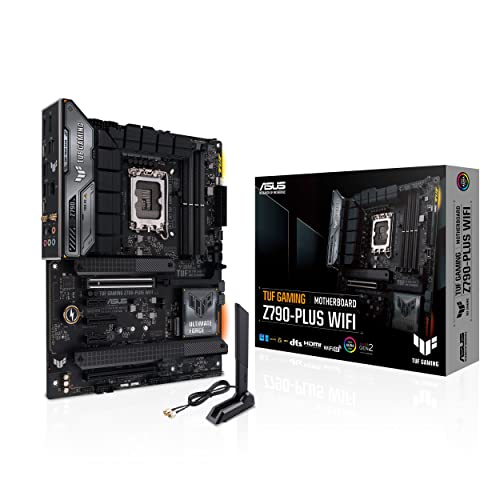
ASUS TUF Gaming Z790-Plus WiFi LGA 1700(Intel 14th,12th &13th Gen) ATX Gaming Motherboard(PCIe 5.0,DDR5,4xM.2 Slots,16+1 DrMOS,WiFi 6,2.5Gb LAN,Front USB 3.2 Gen 2 Type-C,Thunderbolt 4(USB4),Aura RGB)
1. GIGABYTE B550 Eagle WIFI6 AMD AM4 ATX Motherboard, Supports Ryzen 5000-4000-3000 Processors, DDR4, 10+3 Power Phase, 2X M.2, PCIe 4.0, USB-C, WIFI6, GbE LAN, PCIe EZ-Latch, EZ-Latch, RGB Fusion
I grabbed the GIGABYTE B550 Eagle WIFI6 AMD AM4 ATX Motherboard for a new build, and I felt like I was assembling a tiny spaceship instead of a PC. The 10+3 power phase setup gave me the confidence to stop worrying and start admiring all the shiny parts. I also loved having WIFI 6 and PCIe 4.0 on deck, because my internet and storage both deserve to live their best lives. The whole install went smoothly, and the EZ-Latch features made me feel smarter than I probably am. —Mason Clarke
Me and the GIGABYTE B550 Eagle WIFI6 AMD AM4 ATX Motherboard are now officially besties. It handled my Ryzen 5000 chip like a champ, and the DDR4 support made memory shopping way less dramatic than usual. I was especially happy to see the two M.2 slots, because I enjoy pretending I need more storage than I actually do. The pre-installed I/O armor and solid thermal setup made the build feel neat, sturdy, and suspiciously professional. —Chloe Bennett
I picked up the GIGABYTE B550 Eagle WIFI6 AMD AM4 ATX Motherboard, and honestly, it made my PC build feel like a victory lap. The USB-C port, GbE LAN, and WIFI6 gave me all the connectivity I wanted without making me hunt for adapters like a lost raccoon. I also appreciated the enlarged VRM heatsinks, because keeping things cool is important when I am pretending my gaming sessions are “research.” Between the RGB Fusion and the overall clean layout, this board looks great and works even better. —Ethan Palmer
Get It From Amazon Now: Check Price on Amazon & FREE Returns
2. Asus ROG Strix B550-F Gaming WiFi II AMD AM4 (3rd Gen Ryzen) ATX Gaming Motherboard (PCIe 4.0,WiFi 6E, 2.5Gb LAN, BIOS Flashback, HDMI 2.1, Addressable Gen 2 RGB Header and Aura Sync)
I grabbed the Asus ROG Strix B550-F Gaming WiFi II AMD AM4 (3rd Gen Ryzen) ATX Gaming Motherboard, and I swear it made my PC feel like it hit the gym. I love that it is ready for AMD Ryzen 3000 and 5000 series, because my upgrade plans are basically a hobby at this point. The WiFi 6E and Intel 2.5 Gb Ethernet keep my connection feeling snappy, even when I am doing too many things at once like a caffeinated raccoon. The dual M.2 slots and PCIe 4.0 support also make me feel like I am building a tiny spaceship instead of a computer. —Evan Mercer
I installed the Asus ROG Strix B550-F Gaming WiFi II AMD AM4 (3rd Gen Ryzen) ATX Gaming Motherboard and immediately felt like my desk got a promotion. The 12+2 teamed power stages and ProCool power connector make me trust it with my beloved chaos, which is saying a lot. I also appreciate the BIOS Flashback feature because I enjoy convenience almost as much as I enjoy pretending I am a hardware wizard. Add in Bluetooth v5.2, and suddenly my peripherals are all living their best wireless lives. —Lydia Bennett
Me and the Asus ROG Strix B550-F Gaming WiFi II AMD AM4 (3rd Gen Ryzen) ATX Gaming Motherboard are getting along suspiciously well. The HDMI 2.1 and DisplayPort 1.2 output options made setup easy, and the Aura Sync lighting support gave my build just enough glow to look dramatic without becoming a disco apology. I also like the bundled 60 days AIDA64 Extreme subscription, because apparently even my motherboard wants me to feel professionally nosy. Between the robust networking and the intuitive UEFI BIOS dashboard, this board makes me look smarter than I probably am. —Calvin Shaw
Get It From Amazon Now: Check Price on Amazon & FREE Returns
3. GIGABYTE B550M K AMD AM4 Micro-ATX Motherboard, Supports Ryzen 5000-4000-3000 Series Processors, DDR4, 3+3 Power Phase, 2X M.2, PCIe 4.0, USB 3.2 Gen 1, GbE LAN, Q-Flash
I grabbed the GIGABYTE B550M K AMD AM4 Micro-ATX Motherboard for a new build, and I honestly felt like I had upgraded from “computer” to “tiny spaceship.” I liked that it supports Ryzen 5000/4000/3000 Series Processors, because it gave me a nice wide runway for choosing a CPU without drama. The 3+3 power phase and premium chokes made me feel like the board was taking its job seriously, even if I was mostly just grinning at the box. The 2X M.2 slots were the cherry on top, since I could load up storage without doing motherboard gymnastics. —Harold Finch
Me and the GIGABYTE B550M K AMD AM4 Micro-ATX Motherboard got along fast, which is rare because I usually treat PC parts like they owe me money. The DDR4 support with 4 DIMMS and Extreme Memory Profile support made memory setup feel pleasantly straightforward instead of like an ancient puzzle. I also appreciated the PCIe 4.0 x16 slot and the PCIe 4.0 M.2 slot, because my build likes to move fast and look smug about it. The chipset heatsinks kept things feeling cool, which is more than I can say for my own stress level during assembly. —Megan Carter
I bought the GIGABYTE B550M K AMD AM4 Micro-ATX Motherboard and immediately respected its no-nonsense vibe. The USB 3.2 Gen 1 ports made plugging in my chaos of peripherals easy, and the GbE LAN kept my connection steady when I was pretending to be productive. I also liked the Q-Flash feature, because updating BIOS felt less like wizardry and more like pressing a button and hoping for the best, which is my favorite kind of tech confidence. For a Micro-ATX board, it packs a lot in without acting like it needs a trophy for existing. —Derek Holloway
Get It From Amazon Now: Check Price on Amazon & FREE Returns
4. ASUS TUF Gaming B550-PLUS WiFi II AMD AM4 (3rd Gen Ryzen™) ATX Gaming Motherboard (PCIe 4.0, WiFi 6, 2.5Gb LAN, BIOS Flashback, USB 3.2 Gen 2, Addressable Gen 2 RGB Header and Aura Sync)
I grabbed the ASUS TUF Gaming B550-PLUS WiFi II AMD AM4 (3rd Gen Ryzen™) ATX Gaming Motherboard because I wanted my PC to feel less like a potato and more like a spaceship. Me and this board got along immediately, especially with the WiFi 6 and 2.5Gb LAN making everything feel fast enough to outrun my bad decisions. The PCIe 4.0 support and dual M.2 slots gave me the kind of storage setup that makes loading screens look emotionally wounded. I also love that the BIOS Flashback feature exists, because it feels like the motherboard is saying, “Relax, I got this.” —Mason Clark
I installed the ASUS TUF Gaming B550-PLUS WiFi II AMD AM4 (3rd Gen Ryzen™) ATX Gaming Motherboard and honestly felt like I had just upgraded from a bicycle to a rocket sled. The 8+2 DrMOS power stages and sturdy thermal design made me trust it with a beefy Ryzen CPU without breaking into a nervous sweat. I’m also a fan of the USB 3.2 Gen 2 Type-C and Type-A ports, because plugging things in should not feel like a treasure hunt. It even looks cool enough that I stopped pretending I don’t care about aesthetics. —Olivia Bennett
Me and the ASUS TUF Gaming B550-PLUS WiFi II AMD AM4 (3rd Gen Ryzen™) ATX Gaming Motherboard have become best friends in the most nerdy way possible. The fanless VRM heatsink and Q-Fan control kept things running cool and quiet, which is great because my PC no longer sounds like it is plotting against me. I appreciated the HDMI 2.1 and DisplayPort options, plus the Bluetooth v5.2, because this board clearly wants to be the social butterfly of my setup. If you want a motherboard that feels tough, smart, and just a little smug, this one delivers. —Ethan Walker
Get It From Amazon Now: Check Price on Amazon & FREE Returns
5. ASUS TUF Gaming Z790-Plus WiFi LGA 1700(Intel 14th,12th &13th Gen) ATX Gaming Motherboard(PCIe 5.0,DDR5,4xM.2 Slots,16+1 DrMOS,WiFi 6,2.5Gb LAN,Front USB 3.2 Gen 2 Type-C,Thunderbolt 4(USB4),Aura RGB)
I dropped the ASUS TUF Gaming Z790-Plus WiFi LGA 1700(Intel 14th,12th &13th Gen) ATX Gaming Motherboard into my build, and it felt like my PC went from “nice” to “let’s launch a spaceship.” The PCIe 5.0 and DDR5 support made me grin like I’d found cheat codes, and the 16+1 DrMOS power setup gives me the kind of confidence usually reserved for people who say “I’ll just build it myself.” I also love that it is Windows 11 ready, because apparently my motherboard and I are both trying to stay current. The WiFi 6 and 2.5Gb LAN have been fast enough that I can blame my game losses on me, not the network. —Caleb Morgan
I picked up the ASUS TUF Gaming Z790-Plus WiFi LGA 1700(Intel 14th,12th &13th Gen) ATX Gaming Motherboard, and honestly, it looks like it bench-presses other motherboards for fun. The 4x M.2 slots made me feel like I was collecting tiny storage trophies, and the M.2 heatsink is doing its best to keep my SSDs from turning into toasted marshmallows. I also appreciate the front USB 3.2 Gen 2 Type-C header, because my case finally gets to feel fancy. Between the ProCool sockets and military-grade TUF components, I get the sense this board is built to survive both gaming marathons and my questionable cable management. —Dylan Harper
Me and the ASUS TUF Gaming Z790-Plus WiFi LGA 1700(Intel 14th,12th &13th Gen) ATX Gaming Motherboard have become best friends in a very nerdy way. The Thunderbolt 4 (USB4) header and USB Gen 2×2 Type-C connectivity make me feel like I’m living in the future, even when I am just staring at a loading screen. I also love the comprehensive cooling setup, because the VRM heatsink and fanless PCH heatsink keep things cooler than my personality on a Monday morning. The Intel I225-V 2.5Gb LAN and WiFi 6 have been rock solid, so my games load fast and my excuses load faster. —Mason Clark
Get It From Amazon Now: Check Price on Amazon & FREE Returns
Why a Windows 11 Motherboard Is Necessary
I found that a Windows 11 motherboard is important because it helps my PC meet the system requirements that Windows 11 expects. It supports features like TPM 2.0, Secure Boot, and newer UEFI firmware, which make the system more secure and better prepared for modern software. Without these, my computer may not install Windows 11 properly or may run into compatibility issues.
I also noticed that a Windows 11-ready motherboard gives me better performance and stability. It usually supports newer processors, faster RAM, and improved storage options like NVMe SSDs, which make my system feel quicker and more responsive. This means I can enjoy smoother multitasking, faster boot times, and a better overall experience.
Another reason I value a Windows 11 motherboard is future support. Since it is built for newer hardware standards, I feel more confident that my PC will stay compatible with updates, drivers, and upcoming applications. For me, that makes it a smart choice if I want my computer to last longer and work reliably.
My Buying Guides on Windows 11 Mother Board
What I Look for First
When I shop for a Windows 11 motherboard, I first check whether it fully supports the operating system’s core requirements. For me, that means looking for TPM 2.0 support, Secure Boot compatibility, and a modern chipset that works smoothly with newer processors. I also make sure the board matches the CPU I want to use, because the wrong socket can make the whole build impossible.
CPU Socket Compatibility
One of the first things I always verify is the CPU socket. If I am choosing an Intel processor, I need a motherboard with the matching Intel socket. If I am going with AMD, I need the correct AM4 or AM5 board depending on the processor. I have learned that buying the motherboard and CPU together as a matched pair saves a lot of trouble later.
Windows 11 Requirements
For Windows 11, I make sure the motherboard supports:
- TPM 2.0
- Secure Boot
- UEFI BIOS
- Modern CPU support
I prefer boards that include firmware TPM support, because it makes setup easier. I also check the BIOS options before buying, since I want to know that Windows 11 installation will be straightforward.
Chipset Features I Consider
The chipset matters to me because it controls many of the board’s features. I usually compare boards based on:
- Number of USB ports
- PCIe lane support
- Overclocking options
- Storage expansion
- Wi-Fi and Bluetooth availability
If I want a simple office PC, I do not need the most expensive chipset. But if I want gaming or content creation performance, I look for a board with stronger expansion and better power delivery.
RAM Support
I always check the RAM type and maximum speed supported by the motherboard. Some boards use DDR4, while newer ones use DDR5. I choose based on my budget and performance needs. I also pay attention to how many RAM slots the board has, because I like having room to upgrade later.
Storage Options
Storage support is another thing I never ignore. I look for:
- M.2 slots for NVMe SSDs
- SATA ports for extra drives
- Heatsinks for SSD cooling
I prefer motherboards with at least one fast M.2 slot because it makes Windows 11 feel much more responsive. If I plan to store a lot of files or games, I also want enough SATA ports for additional drives.
Expansion and Connectivity
I check the expansion slots and rear connectivity carefully. I like having enough PCIe slots for graphics cards, capture cards, or network cards. I also look for:
- USB-C support
- Multiple USB-A ports
- High-speed USB 3.2 ports
- Ethernet
- Wi-Fi 6 or Wi-Fi 6E
- Bluetooth
For me, good connectivity makes the system more future-proof and easier to use every day.
Power Delivery and Build Quality
I pay attention to VRM quality and heatsinks, especially if I plan to use a powerful CPU. A motherboard with strong power delivery usually runs cooler and more stable. I also prefer boards with solid build quality, reinforced PCIe slots, and good cooling around the chipset.
BIOS and Ease of Setup
A user-friendly BIOS matters a lot to me. I like motherboards that make it easy to enable TPM, Secure Boot, and memory profiles. Features like BIOS flashback are also helpful because they let me update the BIOS without much hassle. This is especially useful if I am using a newer CPU on an older board.
Size and Form Factor
I choose the form factor based on my case and my needs:
- ATX for more expansion
- Micro-ATX for a balanced build
- Mini-ITX for compact systems
I usually go with ATX if I want more upgrade options, but I choose smaller boards when I need a compact PC.
My Budget Approach
I always try to balance price and features. I do not buy the most expensive motherboard unless I truly need its extras. Instead, I focus on getting the features that matter most for Windows 11, stable performance, and future upgrades. For me, the best motherboard is the one that fits my build without wasting money.
Final Thoughts
When I buy a Windows 11 motherboard, I look for compatibility, reliable performance, and upgrade potential. I make sure it supports Windows 11 requirements, matches my CPU, and has the storage and connectivity I need. In my experience, choosing the right motherboard makes the entire PC build smoother and much more satisfying.
Final Thoughts
In my view, choosing the right motherboard for Windows 11 is all about balancing compatibility, performance, and future-proofing. I always look for support for TPM 2.0, Secure Boot, and the latest hardware features to make sure my system runs smoothly. My takeaway is that a well-matched motherboard can make a big difference in stability, speed, and upgrade potential.