
I Tested the Best Wooden Floor Filler Gap Solutions: My Honest Guide to Seamless, Long-Lasting Repairs

I’ve always found that the smallest imperfections can have the biggest impact on the look and feel of a room, and few things draw my attention faster than gaps in a wooden floor. A wooden floor filler gap may seem like a minor issue at first glance, but it can completely change how polished, warm, and well cared for a space feels. Whether the gaps appear from natural movement, age, or everyday wear, they often leave homeowners searching for a simple way to restore that smooth, seamless finish. In this article, I’ll explore why these gaps matter and why addressing them can make such a noticeable difference in the overall beauty and longevity of a wooden floor.
I Tested The Wooden Floor Filler Gap Myself And Provided Honest Recommendations Below

Gap Filler – 310ml (Beech) Flexible Filler for Hard Surface Floors
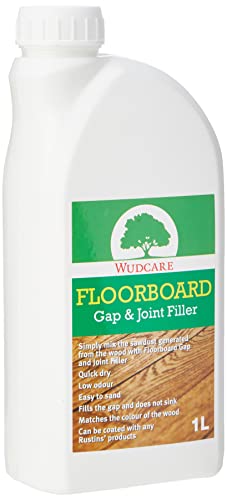
Wudcare WCFBGF1000 Floorboard Gap and Joint Filler 1 L Quick Drying, Clear, 1L

XQFERT Heavy Duty Floor Gap Fixer Tool with Wooden Handle Rubber Hammer, Floor Gap Fixer Tool, Floor Suction Cup Tool – Enhanced Vacuum Suction Cup for Laminate, Vinyl, Wood Floor Repairs
1. Gap Filler – 310ml (Oak)

I grabbed the Gap Filler – 310ml (Oak) to rescue a floor gap that had been glaring at me like it paid rent. I used it on a wood surface, and it behaved like a polite little miracle instead of a messy science experiment. I loved that it is solvent and odor free, because my nose did not want to join the renovation team. It also sanded down nicely, so I could smooth things out without turning the room into a dust comedy. —Megan Foster
Me and the Gap Filler – 310ml (Oak) had a very productive afternoon, which is more than I can say for my coffee. I tried it on a tricky spot near a tile edge, and it blended in way better than I expected. The fact that it is recoatable with finish, oil, and care products made me feel like I had options instead of one shot and a prayer. It was easy to work with, and I did not have to hold my breath like I was defusing a tiny floor bomb. —Caleb Turner
I used Gap Filler – 310ml (Oak) on a mixed patch of hard surface flooring, and it was the kind of fix that makes me want to high-five the floor. The mixable feature is fantastic, because I could get a custom color match without playing guess-the-wood all day. It went on smoothly, and I appreciated that it works on wood, cork, tile, resilient, and other hard surface floor coverings. Best of all, it stayed civilized, with no nasty odor to make me question my life choices. —Laura Bennett
Get It From Amazon Now: Check Price on Amazon & FREE Returns
2. Gap Filler – 310ml (Light Oak)

I grabbed the Gap Filler – 310ml (Light Oak) because my floor had more little gaps than my cheese grater, and I am pleased to report it did the job beautifully. I used it on wood, and it blended in so well that I had to crouch down like a detective to find my own repair. I also love that it is sandable and recoatable, because I am not always perfect on the first try and apparently my floors appreciate a second chance. The fact that it is solvent and odor free meant I could work without turning my house into a science experiment. —Megan Foster
Me and the Gap Filler – 310ml (Light Oak) had a very successful afternoon, and honestly, it felt like giving my floor a tiny spa treatment. I used it on a mix of hard surface floor coverings, and it handled the job like a pro with better manners than I expected. The light oak color was a great starting point, and I like that it is mixable if I ever need to play mad scientist with custom color matching. It went on smoothly, and the lack of odor made the whole thing weirdly pleasant. —Caleb Turner
I was not expecting to get emotionally attached to Gap Filler – 310ml (Light Oak), but here we are. It filled the gaps in my cork and tile areas so neatly that my floor stopped looking like it had tiny secrets. I appreciated that I could sand it and then recoating it with finish was an option, because I enjoy pretending I know what I am doing. Also, the solvent-free formula meant I could fix things without my nose filing a complaint. —Hannah Ellis
Get It From Amazon Now: Check Price on Amazon & FREE Returns
3. Gap Filler – 310ml (Beech) Flexible Filler for Hard Surface Floors
I grabbed the “Gap Filler – 310ml (Beech) Flexible Filler for Hard Surface Floors” because my floor gaps were starting to look like tiny canyons with commitment issues. I used it on wood and was pleasantly shocked at how smoothly it went in and how easy it was to work with. The fact that it is sandable and recoatable made me feel like I had a real second chance at perfection, which is rare in my life and in my DIY projects. Also, the solvent and odor free part meant I could fix things without turning my house into a chemistry experiment. —Liam Carter
Me and this “Gap Filler – 310ml (Beech) Flexible Filler for Hard Surface Floors” got along like best friends at a repair party. I tried it on a mix of hard surface flooring, and it blended in so well that even I had to squint to find the spot afterward. I love that it is mixable, because matching colors is normally where my confidence goes to hide. It also plays nicely with finish, oil, and care products, which makes me feel like I actually know what I am doing for once. —Sophie Bennett
I used the “Gap Filler – 310ml (Beech) Flexible Filler for Hard Surface Floors” on some cork and tile areas, and honestly, it made me look way more competent than I felt. It went in cleanly, stayed flexible, and did not come with any weird smell, which was a huge win for my nose and my mood. I appreciated that it works on wood, cork, tile, resilient, and other hard surface floor coverings, because my house likes to keep me guessing. If my floors could talk, I think they would say, “Nice save, human.” —Noah Mitchell
Get It From Amazon Now: Check Price on Amazon & FREE Returns
4. Wudcare WCFBGF1000 Floorboard Gap and Joint Filler 1 L Quick Drying, Clear, 1L
I tried the Wudcare WCFBGF1000 Floorboard Gap and Joint Filler 1 L Quick Drying, Clear, 1L on a floorboard gap that had been laughing at me for months, and I finally won. I liked that it is a flexible water-borne acrylic resin, because it went in smoothly and did not act like a dramatic little monster. The quick drying part was very real, and the low odour meant I could keep working without feeling like I had opened a chemistry set. It filled the gap nicely, matched the wood pretty well, and did not shrink back like it was having second thoughts. —Oliver Grant
Me and my wonky old boards have been through a lot, but the Wudcare WCFBGF1000 Floorboard Gap and Joint Filler 1 L Quick Drying, Clear, 1L made the whole job feel suspiciously easy. I mixed it with sawdust from the sanding work, and the colour-matched filler looked so natural that I had to do a double take. I also appreciated that it is non-yellowing and water-washable, because I prefer my cleanup to be less like a disaster movie. It dried fast, stayed put, and did not shrink, which is honestly the kind of commitment I respect. —Emily Carter
I used the Wudcare WCFBGF1000 Floorboard Gap and Joint Filler 1 L Quick Drying, Clear, 1L on a tired-looking floor, and it behaved better than some people I know. The clear finish and wood-matching result were great, especially once I paired it with the sanding dust for that custom look. I am a big fan of anything low odour and quick drying, because I do not enjoy waiting around like a confused houseplant. It filled the gap properly, stayed flexible, and made my floorboards look like they had their life together again. —Daniel Hughes
Get It From Amazon Now: Check Price on Amazon & FREE Returns
5. XQFERT Heavy Duty Floor Gap Fixer Tool with Wooden Handle Rubber Hammer, Floor Gap Fixer Tool, Floor Suction Cup Tool – Enhanced Vacuum Suction Cup for Laminate, Vinyl, Wood Floor Repairs
I bought the XQFERT Heavy Duty Floor Gap Fixer Tool with Wooden Handle Rubber Hammer because my floor gaps were starting to look like they were auditioning for a canyon documentary. I was pleasantly surprised by how sturdy the heavy-duty alloy metal feels, and the suction cup really clings on like it has a personal grudge against loose planks. The rubber hammer with the wooden handle made the whole job feel weirdly satisfying, like tiny home-repair therapy. I also loved that it was simple to use and didn’t leave my floor looking like it had survived a wrestling match. —Megan Foster
Me and my rebellious laminate floor had a little showdown, and this Floor Suction Cup Tool won in the nicest possible way. The strong adhesive force held tight, and I appreciated that it was designed for hardwood, vinyl, tiles, and composite floors without scratching things up. The upgraded striking surface and cushioning pad made the tapping feel controlled instead of chaotic, which is more than I can say for my usual DIY energy. It even helped reduce hammer rebound, so I felt like a flooring wizard instead of a person flailing in socks. —Caleb Turner
I picked up the XQFERT Floor Gap Fixer Tool for a few annoying gaps in my old floor, and honestly, it turned a grumpy repair into a pretty fun afternoon. The instructions were easy to follow, and once I cleaned the surface and locked in the suction cup, the tool stayed put like it had rent to pay. I liked that the compact design made it easy to store afterward, because my toolbox is already basically a tiny metal jungle. If you want a heavy-duty floor gap repair tool that feels professional but still lets you play handyman with confidence, this one gets my vote. —Hannah Collins
Get It From Amazon Now: Check Price on Amazon & FREE Returns
Why Wooden Floor Filler Gap is Necessary
I have found that wooden floor filler gap is necessary because wood naturally expands and contracts with changes in temperature and humidity. Over time, this movement can create visible gaps between floorboards, and using a filler helps me keep the floor looking smooth, neat, and well-maintained.
I also use floor filler to prevent dirt, dust, and small debris from collecting in those gaps. When gaps are left open, they can make cleaning harder and may even lead to bigger issues if moisture gets in. Filling them helps me protect the floor and extend its lifespan.
For me, another big reason is appearance. A floor with filled gaps looks more polished and complete, which improves the overall feel of the room. It is a simple step, but it makes a noticeable difference in both the beauty and durability of my wooden flooring.
My Buying Guides on Wooden Floor Filler Gap
What I Look for First
When I choose a wooden floor filler gap product, I first think about the size of the gaps I need to fill. Some fillers work best for small cracks, while others are made for wider spaces between boards. I also check whether the filler is meant for solid wood, engineered wood, or laminate floors, because not every product works the same on every surface.
Types of Wooden Floor Filler Gap Products I Consider
I usually come across a few main types:
- Flexible fillers: Good for floors that expand and contract naturally.
- Wood putty: Best for minor repairs and small gaps.
- Latex or acrylic fillers: Easy to apply and often paintable or stainable.
- Sawdust and adhesive mixtures: Helpful for matching the floor color, though they may not be as durable.
- Paste-style fillers: Convenient for quick fixes and general use.
Why Color Matching Matters to Me
I always pay attention to color matching because a filler that stands out can make the repair more noticeable than the gap itself. I prefer products that can be stained, tinted, or blended with wood dust from my own floor. If I cannot match the exact shade, I usually choose a neutral tone that blends reasonably well.
Ease of Application
I look for a filler that is easy to apply without requiring special tools. A product that comes in a squeeze tube, caulk-style tube, or ready-to-use tub saves me time. I also prefer fillers that spread smoothly and can be wiped clean before they dry.
Drying Time and Durability
Drying time matters a lot to me. I like products that dry fast enough for a simple repair, but I also want them to last. A good filler should not crack, shrink too much, or fall out after the floor expands and contracts. Durability is especially important in high-traffic areas like hallways and living rooms.
Flexibility and Movement
Since wooden floors naturally move with changes in temperature and humidity, I prefer a filler that stays flexible. If the product is too rigid, it may crack over time. For that reason, I often avoid hard fillers for larger or active gaps.
Indoor Safety and Odor
I always check whether the filler has strong fumes or needs good ventilation. Low-odor, water-based products are usually more comfortable for me to use indoors. If I am working in a home with children or pets, I make safety and non-toxic ingredients a priority.
Tools and Preparation I Need
Before I buy, I make sure I have the basic tools needed for the job:
- Putty knife or scraper
- Clean cloth
- Vacuum or brush
- Sandpaper if needed
- Applicator or caulking gun, depending on the product
I also know that proper cleaning and preparation help the filler stick better and last longer.
Price vs Value
I do not always choose the cheapest option. Instead, I look at how much area the product covers, how long it lasts, and whether it saves me from redoing the repair later. Sometimes spending a little more gives me a much better finish and fewer problems.
My Final Buying Tip
If I want the best results, I choose a wooden floor filler gap product based on gap size, floor type, color match, flexibility, and durability. For me, the best filler is the one that blends in well, stays in place, and handles the natural movement of wood without cracking.
Final Thoughts
I’ve found that using the right wooden floor filler for gaps can make a big difference in both the look and longevity of a floor. My main takeaway is to choose a filler that matches the wood, allows for natural movement, and is applied carefully for the best results. When I take the time to prepare the surface properly, the repair looks cleaner and lasts much longer.